
Creating an authentic Italian tomato sauce at home is a delightful experience that brings the flavors of Italy right to your kitchen. This recipe is simple yet rich, perfect for pasta, pizza, or any dish that calls for a robust tomato sauce.
If you don't usually have fresh basil in your kitchen, it's a key ingredient that adds a burst of freshness to the sauce. When heading to the supermarket, make sure to pick up a can of high-quality canned tomatoes as well, as they form the base of this recipe.
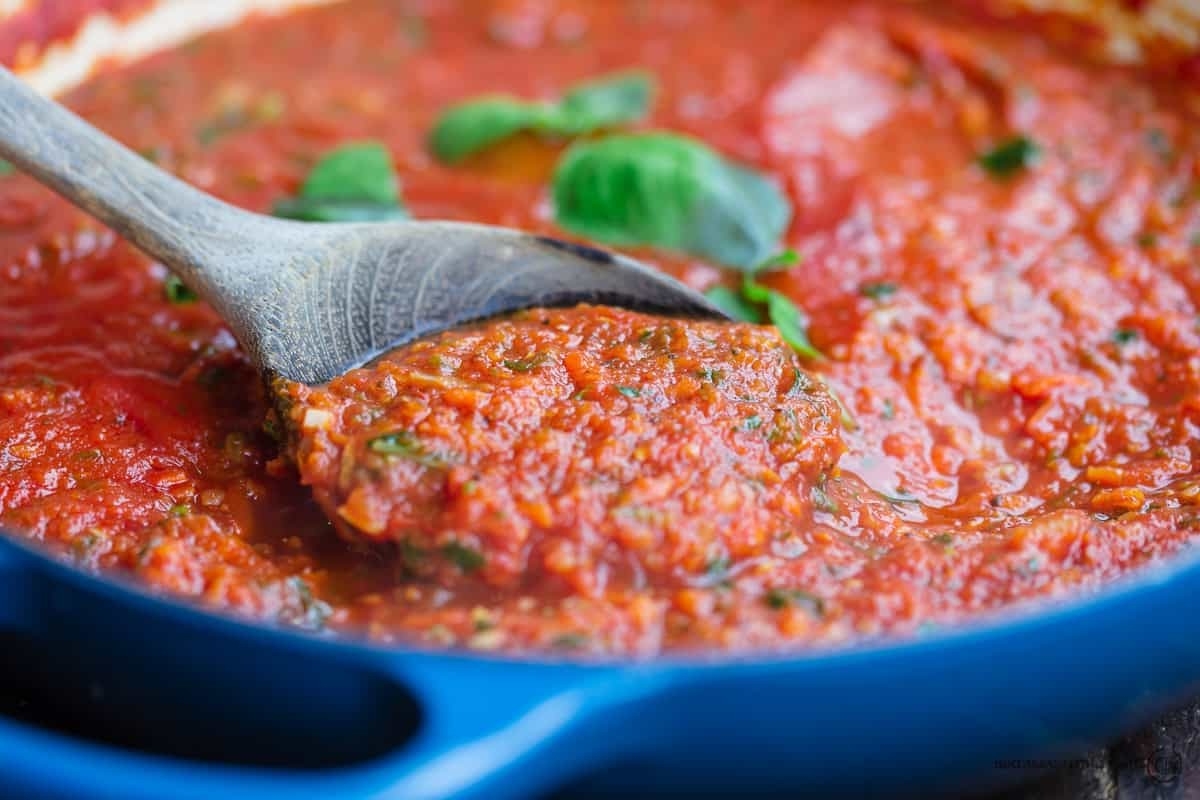
Ingredients For Authentic Italian Tomato Sauce Recipe
Olive oil: This is the base for sautéing the onions and garlic, adding a rich flavor to the sauce.
Onion: Finely chopped to blend smoothly into the sauce, providing a sweet and savory depth.
Garlic: Minced to infuse the sauce with its aromatic and pungent flavor.
Canned tomatoes: The main ingredient, providing the rich tomato base for the sauce.
Sugar: Balances the acidity of the tomatoes, creating a well-rounded flavor.
Salt: Enhances all the flavors in the sauce, making them more pronounced.
Black pepper: Adds a subtle heat and complexity to the sauce.
Fresh basil: Chopped and added at the end to give a fresh, aromatic finish to the sauce.
Technique Tip for This Recipe
When cooking the onion until translucent, make sure to keep the heat at medium to avoid browning or burning. This ensures a sweeter, more mellow flavor that forms the perfect base for your tomato sauce.
Suggested Side Dishes
Alternative Ingredients
olive oil - Substitute with canola oil: Canola oil has a neutral flavor and a similar smoke point, making it a good alternative for cooking.
onion - Substitute with shallots: Shallots offer a milder and slightly sweeter flavor, which can complement the sauce well.
garlic - Substitute with garlic powder: If fresh garlic is unavailable, garlic powder can provide a similar flavor, though it is less potent.
canned tomatoes - Substitute with fresh tomatoes: Fresh tomatoes can be used if canned are not available; just blanch, peel, and crush them before use.
sugar - Substitute with honey: Honey can add a similar sweetness and a slight depth of flavor to balance the acidity of the tomatoes.
salt - Substitute with soy sauce: Soy sauce can add saltiness along with a bit of umami, enhancing the overall flavor of the sauce.
black pepper - Substitute with white pepper: White pepper can provide a similar heat and flavor profile without altering the color of the sauce.
fresh basil - Substitute with dried basil: Dried basil can be used in place of fresh, though it is less aromatic; use about one-third the amount.
Other Alternative Recipes Similar to This Sauce
How To Store / Freeze This Sauce
- Allow the tomato sauce to cool completely before storing. This helps maintain the integrity of the flavors and prevents condensation from forming inside the storage container.
- Transfer the cooled sauce into airtight containers or heavy-duty freezer bags. For easy portioning, consider using smaller containers or dividing the sauce into individual servings.
- Label each container or bag with the date and contents. This ensures you can keep track of how long the sauce has been stored and helps you use the oldest sauce first.
- Store the sauce in the refrigerator if you plan to use it within 3-4 days. Ensure the container is sealed tightly to prevent any odors from the fridge from seeping in.
- For longer storage, place the containers or bags in the freezer. The sauce can be frozen for up to 3 months without significant loss of flavor or texture.
- When ready to use, thaw the sauce in the refrigerator overnight. This slow thawing process helps maintain the sauce's consistency and flavor.
- Reheat the sauce gently on the stovetop over low to medium heat, stirring occasionally. If the sauce appears too thick after reheating, you can add a splash of water or vegetable broth to reach the desired consistency.
- If you prefer, you can also reheat the sauce in the microwave. Use a microwave-safe container, cover it loosely to allow steam to escape, and heat in short intervals, stirring in between to ensure even heating.
- For an extra burst of freshness, consider adding a handful of freshly chopped basil or a drizzle of olive oil just before serving. This can revive the flavors and add a touch of brightness to the sauce.
How To Reheat Leftovers
Gently warm the tomato sauce in a saucepan over low heat. Stir occasionally to ensure even heating and prevent sticking. This method preserves the rich flavors and textures of the sauce.
For a quicker option, transfer the sauce to a microwave-safe container. Cover it loosely with a microwave-safe lid or plastic wrap to avoid splatters. Heat on medium power in 1-minute intervals, stirring in between, until the sauce is heated through.
If you're reheating a large batch, consider using a slow cooker. Set it to low heat and let the sauce warm up gradually over 1-2 hours. This method is perfect for maintaining the sauce's depth of flavor while you prepare the rest of your meal.
For a more integrated approach, reheat the sauce by adding it directly to freshly cooked pasta in a large skillet. Toss the pasta and sauce together over medium heat until everything is evenly warmed and well-coated.
If you have an oven-safe dish, you can reheat the sauce in the oven. Preheat the oven to 350°F (175°C), cover the dish with aluminum foil, and bake for about 20-30 minutes, or until the sauce is bubbling and heated through. This method is ideal for making baked pasta dishes like lasagna or baked ziti.
For an added burst of flavor, reheat the sauce in a skillet with a splash of red wine or vegetable broth. This not only warms the sauce but also enhances its complexity.
Best Tools for This Recipe
Large pot: A large pot is essential for cooking the sauce evenly and allowing it to simmer properly.
Wooden spoon: A wooden spoon is ideal for stirring the sauce as it won't react with the acidic tomatoes.
Chef's knife: A chef's knife is necessary for finely chopping the onion and mincing the garlic.
Cutting board: A cutting board provides a safe and stable surface for chopping the onion and garlic.
Measuring spoons: Measuring spoons ensure you add the correct amounts of olive oil, sugar, salt, and black pepper.
Can opener: A can opener is needed to open the canned tomatoes.
Mixing bowl: A mixing bowl can be used to hold the chopped basil until it's ready to be added to the sauce.
Ladle: A ladle is useful for serving the sauce once it's ready.
How to Save Time on Making This Sauce
Use pre-chopped onions: Save time by buying pre-chopped onions from the store.
Garlic paste: Substitute minced garlic with ready-made garlic paste.
Crushed tomatoes: Opt for canned crushed tomatoes to skip the step of breaking down whole tomatoes.
Simmer with a lid: Cover the pot while simmering to reduce cooking time.
Batch cooking: Make a large batch and freeze portions for future use.
Quick basil prep: Use kitchen scissors to quickly chop fresh basil directly into the pot.
Authentic Italian Tomato Sauce Recipe
Ingredients
Main Ingredients
- 2 tablespoon olive oil
- 1 onion, finely chopped
- 2 cloves garlic, minced
- 800 g canned tomatoes
- 1 teaspoon sugar
- 1 teaspoon salt
- ½ teaspoon black pepper
- 1 handful fresh basil, chopped
Instructions
- Heat the olive oil in a large pot over medium heat.
- Add the chopped onion and cook until translucent, about 5 minutes.
- Add the minced garlic and cook for another 1-2 minutes.
- Add the canned tomatoes, sugar, salt, and black pepper. Stir well.
- Bring to a simmer and cook for about 45 minutes to 1 hour, stirring occasionally.
- Stir in the chopped fresh basil just before serving.
Nutritional Value
Keywords
Suggested Appetizers and Desserts for This Sauce
More Amazing Recipes to Try 🙂
- Salad Dressing Recipe10 Minutes
- Pumpkin Pie Recipe1 Hours 15 Minutes
- Tomato Avocado Sandwich Recipe10 Minutes
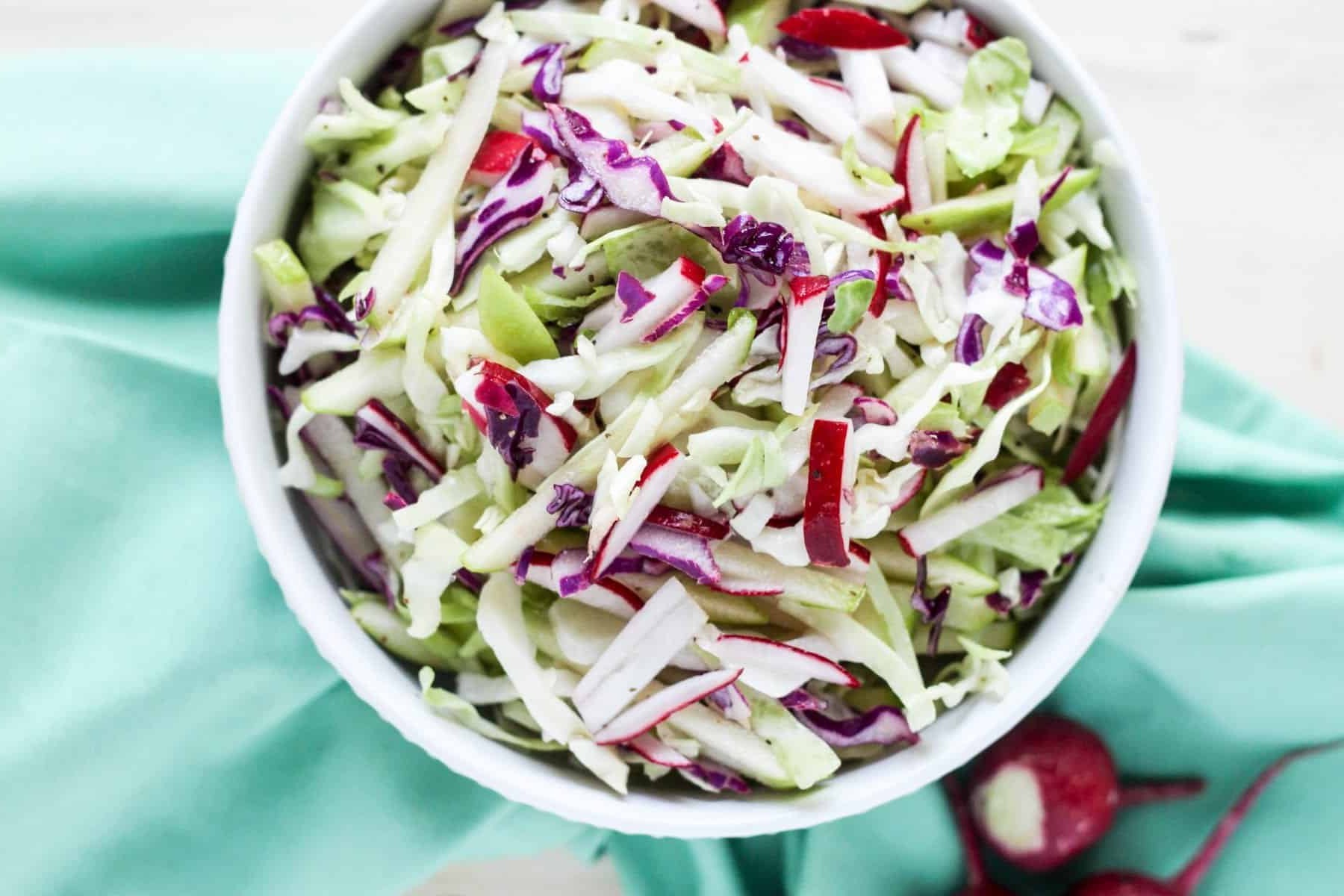
- Apple Cabbage Slaw Recipe15 Minutes
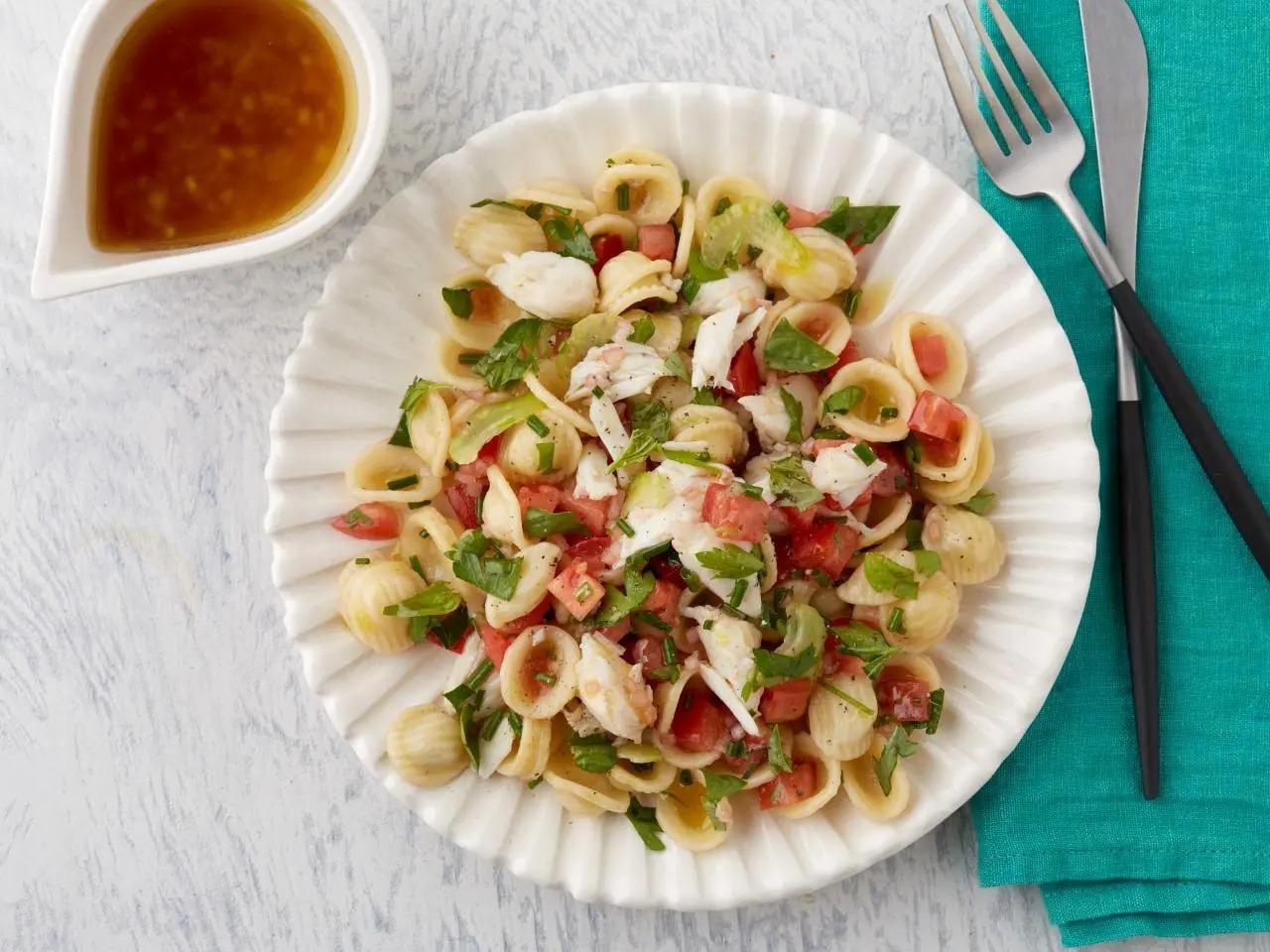
- Crab and Pasta Salad Recipe25 Minutes
- Chocolate Waffles Recipe25 Minutes
- Corned Beef Sandwich Recipe15 Minutes
- Chicken Enchilada Soup Recipe45 Minutes










Leave a Reply