
This creamy white sauce is a versatile and delicious addition to any pasta dish. It's a simple yet elegant sauce that can elevate your meal with its rich and smooth texture. Perfect for a quick weeknight dinner or a special occasion, this white sauce is sure to impress.
Most of the ingredients for this white sauce are common pantry staples. However, if you don't usually keep nutmeg on hand, you might need to pick it up at the supermarket. Nutmeg adds a subtle warmth and depth to the sauce, but it's optional if you prefer to skip it.
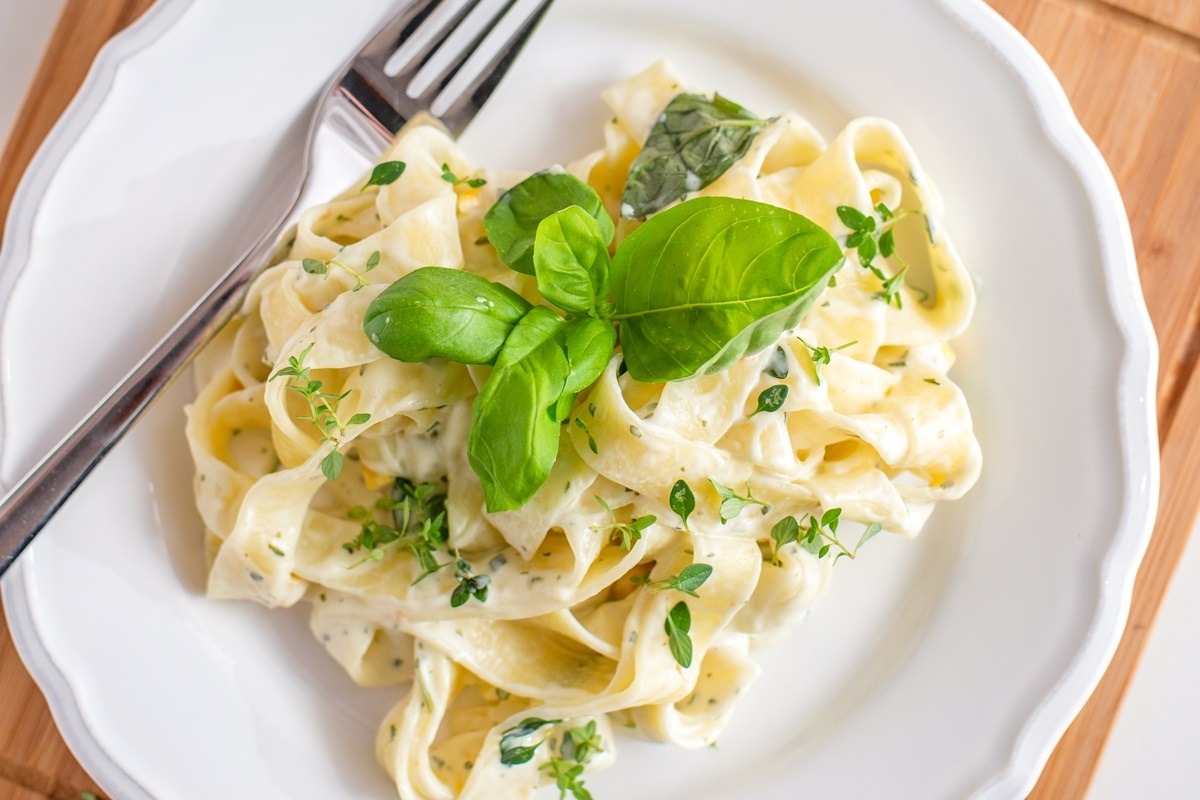
Ingredients For White Sauce For Pasta Recipe
Butter: Adds richness and a smooth texture to the sauce.
All-purpose flour: Helps to thicken the sauce, creating a creamy consistency.
Milk: The base liquid that forms the bulk of the sauce, providing creaminess.
Salt: Enhances the overall flavor of the sauce.
Black pepper: Adds a hint of spice and depth to the flavor.
Nutmeg: Optional, but adds a subtle warmth and complexity to the sauce.
Technique Tip for This Recipe
When making a white sauce for pasta, it's crucial to ensure that the butter and flour mixture, known as a roux, is cooked just enough to eliminate the raw flour taste but not so long that it browns. This typically takes about 1-2 minutes. Gradually adding the milk while continuously whisking helps prevent lumps, resulting in a smooth and creamy sauce. If you find the sauce is too thick, you can thin it out with a bit more milk. Conversely, if it's too thin, let it cook a bit longer to reach the desired consistency. Adding a pinch of nutmeg can elevate the flavor, giving the sauce a subtle warmth and complexity.
Suggested Side Dishes
Alternative Ingredients
butter - Substitute with olive oil: Olive oil provides a similar fat content and can create a smooth texture for the sauce.
all-purpose flour - Substitute with cornstarch: Cornstarch can thicken the sauce similarly to flour but may require a different method of incorporation.
milk - Substitute with unsweetened almond milk: Unsweetened almond milk can provide a similar consistency and is suitable for those who are lactose intolerant.
salt - Substitute with soy sauce: Soy sauce can add a salty flavor along with a bit of umami, enhancing the overall taste of the sauce.
black pepper - Substitute with white pepper: White pepper provides a similar heat and flavor but with a slightly different aroma, which can be more subtle.
nutmeg - Substitute with cinnamon: Cinnamon can offer a warm, sweet spice that complements creamy sauces, though it will change the flavor profile slightly.
Alternative Recipes to Try
How to Store or Freeze This Recipe
Allow the white sauce to cool completely before storing. This prevents condensation, which can make the sauce watery.
Transfer the cooled sauce into an airtight container. Glass jars or BPA-free plastic containers work well.
Label the container with the date of preparation. This helps you keep track of freshness.
Store the container in the refrigerator. The white sauce will keep for up to 5 days.
For freezing, pour the cooled sauce into a freezer-safe container or a resealable plastic bag. Leave some space at the top, as the sauce will expand when frozen.
Label the container or bag with the date. This ensures you use it within 3 months for the best quality.
When ready to use, thaw the sauce in the refrigerator overnight. This gradual thawing helps maintain the sauce's texture.
Reheat the sauce gently in a saucepan over low heat, stirring frequently. If the sauce appears too thick, add a splash of milk or cream to reach the desired consistency.
Avoid reheating the sauce in the microwave, as it can cause uneven heating and lumps. If you must use a microwave, do so in short intervals, stirring in between.
If the sauce separates during reheating, whisk it vigorously to bring it back together. Adding a small amount of butter can also help restore its smoothness.
How to Reheat Leftovers
Stovetop Method: Place the leftover white sauce in a saucepan over low heat. Add a splash of milk or cream to help loosen the sauce. Stir continuously until the sauce is heated through and reaches your desired consistency. This method ensures the sauce remains smooth and creamy.
Microwave Method: Transfer the white sauce to a microwave-safe bowl. Cover the bowl with a microwave-safe lid or plastic wrap, leaving a small vent. Heat on medium power in 30-second intervals, stirring in between, until the sauce is hot. Add a bit of milk if the sauce appears too thick.
Double Boiler Method: Fill a pot with a few inches of water and bring it to a simmer. Place the white sauce in a heatproof bowl and set it over the pot, ensuring the bottom of the bowl doesn't touch the water. Stir the sauce occasionally until it is heated through. This gentle heating method prevents the sauce from scorching.
Oven Method: Preheat your oven to 350°F (175°C). Pour the white sauce into an oven-safe dish and cover it with aluminum foil. Heat for about 15-20 minutes, stirring halfway through. This method is ideal if you're reheating a larger quantity of sauce.
Slow Cooker Method: Pour the white sauce into a slow cooker and set it to the low setting. Stir occasionally and add a bit of milk if needed. This method is perfect for keeping the sauce warm over an extended period without constant attention.
Steam Method: Place the white sauce in a heatproof bowl and set it in a steamer basket. Steam over simmering water, stirring occasionally, until the sauce is hot. This method helps maintain the sauce's creamy texture without direct heat.
Best Tools for This Recipe
Saucepan: A medium-sized saucepan is essential for melting the butter and cooking the sauce.
Whisk: A whisk is crucial for mixing the flour and butter into a smooth paste and for incorporating the milk without lumps.
Measuring spoons: Use measuring spoons to accurately measure the butter, flour, salt, pepper, and nutmeg.
Measuring cup: A measuring cup is needed to measure the milk precisely.
Stove: A stove is required to provide the heat for cooking the sauce.
Wooden spoon: A wooden spoon can be used to stir the sauce as it thickens.
Serving spoon: A serving spoon will help you serve the sauce over the pasta.
Pasta pot: If you are cooking pasta to go with the sauce, a pasta pot is necessary to boil the pasta.
Colander: A colander is useful for draining the cooked pasta before adding the sauce.
How to Save Time on This Recipe
Prepare ingredients in advance: Measure out the butter, flour, and milk before starting to cook. This will streamline the process.
Use warm milk: Warm the milk slightly before adding it to the roux. This helps the sauce thicken faster.
Whisk continuously: Keep whisking to prevent lumps and ensure a smooth sauce.
Pre-cook pasta: Cook your pasta while making the white sauce to save time.
White Sauce for Pasta
Ingredients
Main Ingredients
- 2 tablespoons Butter
- 2 tablespoons All-purpose flour
- 2 cups Milk
- ½ teaspoon Salt
- ¼ teaspoon Black pepper
- ¼ teaspoon Nutmeg (optional)
Instructions
- Melt the butter in a saucepan over medium heat.
- Add the flour and whisk continuously for about 1-2 minutes until it forms a smooth paste.
- Gradually add the milk while whisking to avoid lumps. Continue to cook and whisk until the sauce thickens, about 5-7 minutes.
- Season with salt, pepper, and nutmeg (if using). Serve over your favorite pasta.
Nutritional Value
Keywords
Suggested Appetizers and Desserts
More Amazing Recipes to Try 🙂
- Country Apple Dumplings Recipe1 Hours 5 Minutes
- French Onion Dip Sandwiches Recipe30 Minutes
- Tea Room Chicken Salad Sandwiches Recipe15 Minutes
- Taco Salad Recipe25 Minutes
- Japanese Fried Rice Recipe25 Minutes
- Avocado Ranch Salad Dressing Recipe10 Minutes
- German Pancakes Recipe30 Minutes
- Copycat Apple Cider Vinaigrette Recipe10 Minutes




Leave a Reply