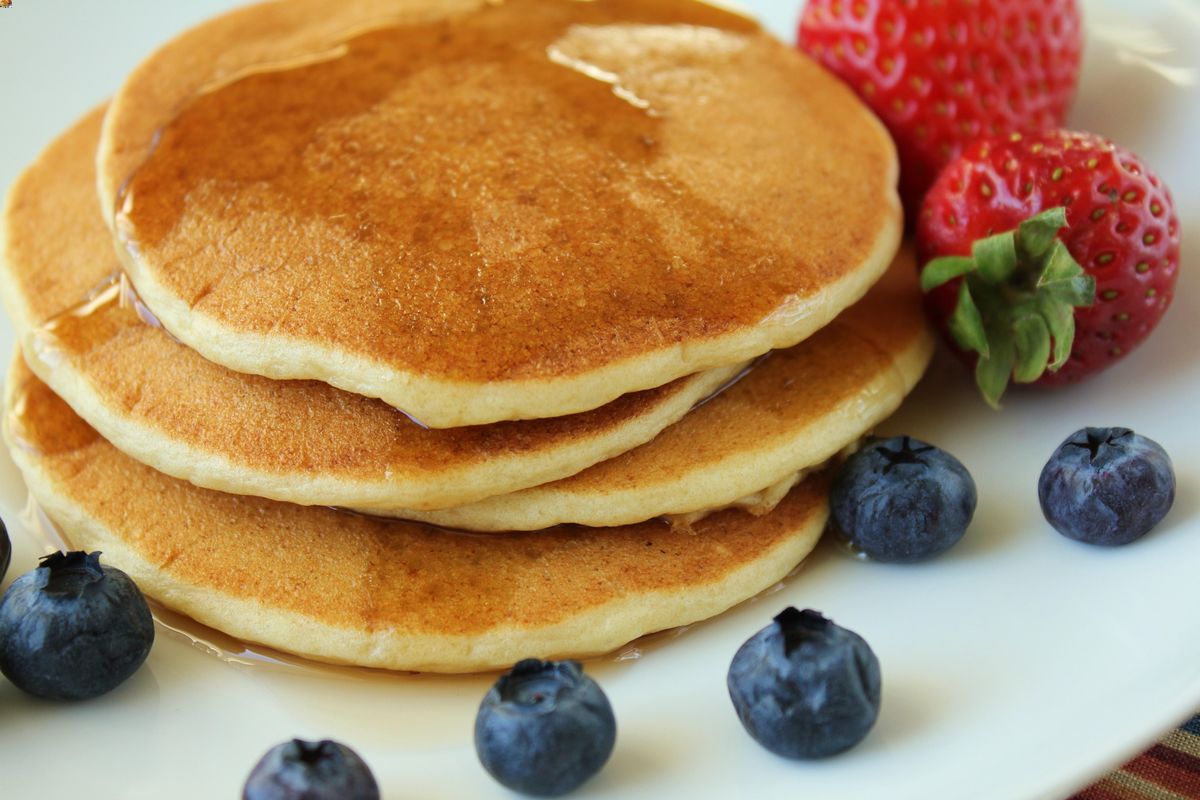
These gluten-free pancakes are a delightful way to start your day. Fluffy and light, they cater to those with gluten sensitivities without compromising on taste. Perfect for a weekend breakfast or brunch, they pair wonderfully with a variety of toppings, from fresh fruits to maple syrup.
When preparing this recipe, you might need to pay special attention to the gluten-free flour. Unlike regular flour, it can be found in the specialty or health food section of your supermarket. Additionally, if you opt for non-dairy milk, make sure to choose one that complements the flavor of the pancakes, such as almond or oat milk.
Ingredients For Gluten-Free Pancakes Recipe
Gluten-free flour: A special type of flour that does not contain gluten, suitable for those with gluten sensitivities.
Sugar: Adds sweetness to the pancakes.
Baking powder: Helps the pancakes rise and become fluffy.
Baking soda: Works with the baking powder to provide lift and texture.
Salt: Enhances the overall flavor of the pancakes.
Milk: Can be dairy or non-dairy, adds moisture to the batter.
Egg: Binds the ingredients together and adds richness.
Vegetable oil: Provides moisture and helps in cooking the pancakes.
Vanilla extract: Adds a pleasant aroma and flavor to the pancakes.
Technique Tip for Perfect Pancakes
When mixing the wet ingredients into the dry ingredients, be careful not to overmix the batter. Overmixing can lead to dense and tough pancakes. Stir until the ingredients are just combined, even if there are a few lumps remaining. This will ensure your pancakes are light and fluffy.
Suggested Side Dishes
Alternative Ingredients
gluten-free flour - Substitute with almond flour: Almond flour provides a nutty flavor and is naturally gluten-free, making it a great alternative.
gluten-free flour - Substitute with coconut flour: Coconut flour is another gluten-free option that adds a slight coconut flavor and is high in fiber.
sugar - Substitute with honey: Honey is a natural sweetener that can add a richer flavor to the pancakes.
sugar - Substitute with maple syrup: Maple syrup is another natural sweetener that complements the pancake flavor well.
baking powder - Substitute with cream of tartar and baking soda: Mixing cream of tartar with baking soda can mimic the leavening effect of baking powder.
baking soda - Substitute with additional baking powder: If you don't have baking soda, you can use extra baking powder, though the texture might slightly differ.
salt - Substitute with sea salt: Sea salt can be used in the same quantity and provides a slightly different mineral content.
dairy or non-dairy milk - Substitute with almond milk: Almond milk is a popular non-dairy alternative that works well in pancakes.
dairy or non-dairy milk - Substitute with coconut milk: Coconut milk adds a rich, creamy texture and a hint of coconut flavor.
egg - Substitute with flax egg: A flax egg (1 tablespoon ground flaxseed mixed with 3 tablespoon water) is a vegan alternative that helps bind the ingredients.
egg - Substitute with applesauce: Applesauce can be used as an egg substitute to add moisture and a slight sweetness.
vegetable oil - Substitute with coconut oil: Coconut oil can be used for a slightly different flavor and is a healthier fat option.
vegetable oil - Substitute with olive oil: Olive oil is another healthy fat alternative, though it may add a more pronounced flavor.
vanilla extract - Substitute with almond extract: Almond extract provides a different but complementary flavor to the pancakes.
vanilla extract - Substitute with maple extract: Maple extract can add a unique twist to the flavor profile of the pancakes.
Alternative Recipes You Might Like
How to Store or Freeze Your Pancakes
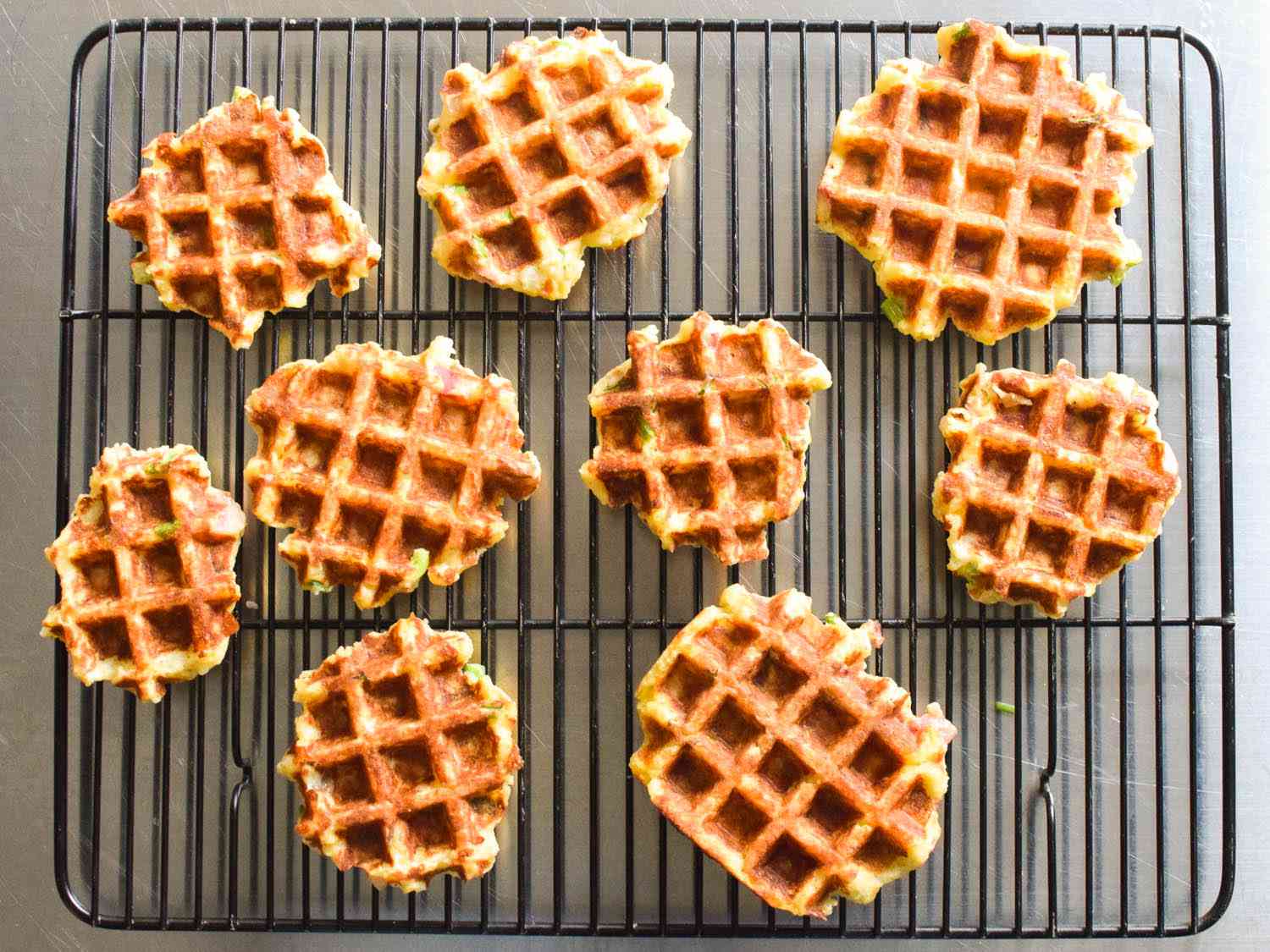
- Allow the pancakes to cool completely on a wire rack. This prevents them from becoming soggy when stored.
- Place a sheet of parchment paper between each pancake to prevent sticking. This is especially useful if you plan to freeze them.
- Store the pancakes in an airtight container or a resealable plastic bag. If using a bag, make sure to squeeze out as much air as possible.
- For short-term storage, keep the pancakes in the refrigerator. They will stay fresh for up to 3 days.
- For longer storage, place the pancakes in the freezer. They can be frozen for up to 2 months.
- When ready to eat, reheat refrigerated pancakes in the microwave for about 20-30 seconds or in a toaster oven until warm.
- For frozen pancakes, reheat in the microwave for 1-2 minutes or in a preheated oven at 350°F (175°C) for about 10 minutes. You can also use a toaster for a quicker option.
- Serve the reheated pancakes with your favorite toppings like fresh berries, maple syrup, or a dollop of whipped cream.
How to Reheat Leftovers
Oven Method: Preheat your oven to 350°F (175°C). Place the pancakes on a baking sheet in a single layer. Cover them with aluminum foil to prevent drying out. Heat for about 10 minutes or until they are warmed through. This method helps maintain the pancakes' fluffy texture.
Microwave Method: Stack a few pancakes on a microwave-safe plate. Cover them with a damp paper towel to keep them moist. Microwave on medium power for 20-30 seconds per pancake. Check and add more time if needed. This is a quick and convenient method, but be careful not to overheat and make them rubbery.
Toaster Method: For a slightly crispy edge, pop the pancakes into a toaster. Use a low to medium setting to avoid burning. This method is great for a quick reheat and adds a bit of texture.
Stovetop Method: Heat a non-stick pan over medium-low heat. Add a small amount of butter or oil to the pan. Place the pancakes in the pan and cover with a lid. Heat for about 1-2 minutes on each side until warmed through. This method can help revive the pancakes' original flavor and texture.
Air Fryer Method: Preheat your air fryer to 320°F (160°C). Place the pancakes in a single layer in the air fryer basket. Heat for about 3-4 minutes, checking halfway through. This method is efficient and gives the pancakes a nice, slightly crispy exterior.
Essential Tools for This Recipe
Mixing bowl: A large bowl used to combine and mix the dry ingredients together.
Whisk: A utensil used to blend the dry ingredients and to mix the wet ingredients until smooth.
Measuring cups: Used to measure the precise amount of gluten-free flour and milk.
Measuring spoons: Used to measure smaller quantities of ingredients like sugar, baking powder, baking soda, salt, vegetable oil, and vanilla extract.
Non-stick pan: A pan with a non-stick surface to cook the pancakes without them sticking.
Spatula: Used to flip the pancakes once bubbles form on the surface.
Ladle or measuring cup: Used to pour the batter onto the pan, ensuring each pancake is the same size.
Stove: The heat source used to cook the pancakes.
Cooking spray or oil brush: Used to lightly grease the non-stick pan before cooking the pancakes.
Time-Saving Tips for Making Pancakes
Prepare ingredients in advance: Measure and mix all dry ingredients the night before to save time in the morning.
Use a blender: Combine wet ingredients in a blender for a quick and smooth mix.
Preheat the pan: Start heating your non-stick pan while you mix the batter to save cooking time.
Batch cooking: Cook multiple pancakes at once if your pan is large enough.
Freeze extras: Make a double batch and freeze the extra pancakes for a quick breakfast later.
Use a ladle: Use a ladle to pour the batter for consistent pancake sizes and faster cooking.
Gluten-Free Pancakes Recipe
Ingredients
Main Ingredients
- 1 cup Gluten-Free Flour
- 1 tablespoon Sugar
- 1 teaspoon Baking Powder
- ½ teaspoon Baking Soda
- ¼ teaspoon Salt
- 1 cup Milk Dairy or non-dairy
- 1 Egg
- 2 tablespoon Vegetable Oil
- 1 teaspoon Vanilla Extract
Instructions
- In a mixing bowl, whisk together the gluten-free flour, sugar, baking powder, baking soda, and salt.
- In another bowl, mix the milk, egg, vegetable oil, and vanilla extract.
- Pour the wet ingredients into the dry ingredients and stir until just combined.
- Heat a non-stick pan over medium heat and lightly grease it.
- Pour ¼ cup of batter onto the pan for each pancake. Cook until bubbles form on the surface, then flip and cook until golden brown.
- Serve warm with your favorite toppings.
Nutritional Value
Keywords
More Amazing Recipes to Try 🙂
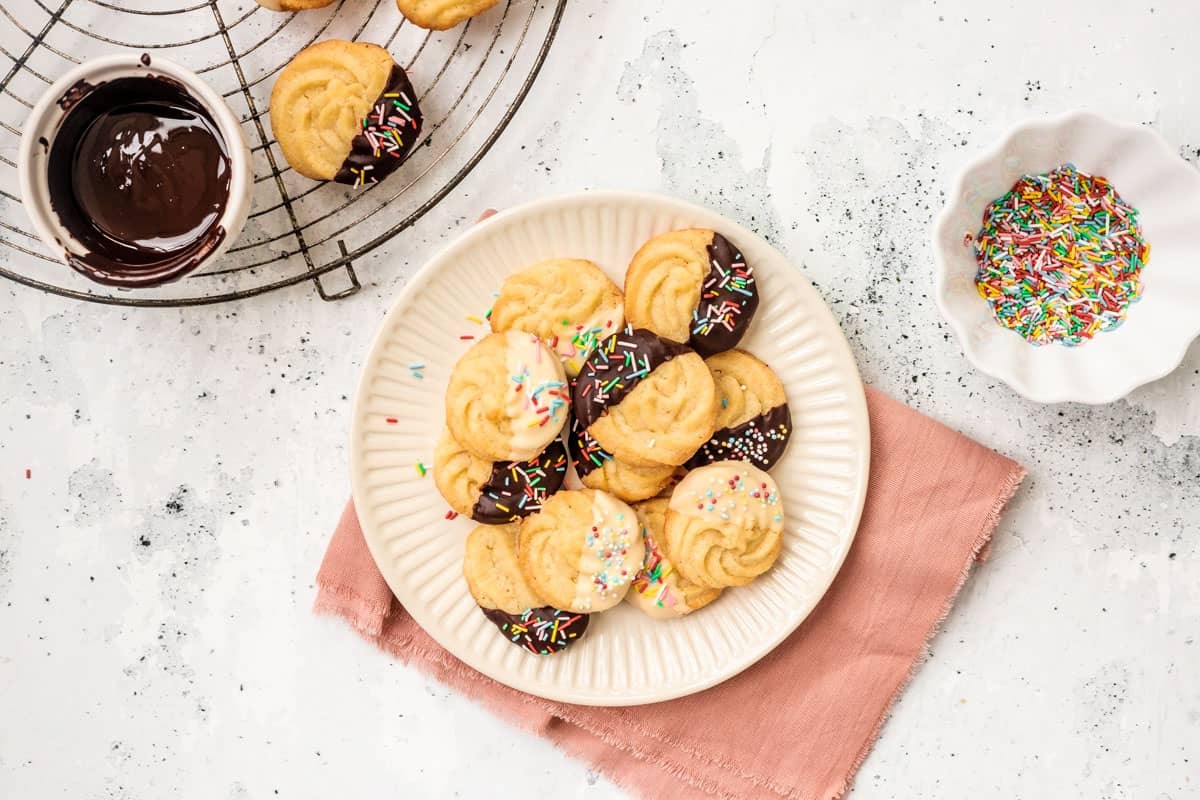
- Italian Butter Cookies Recipe27 Minutes
- French Dressing Recipe10 Minutes
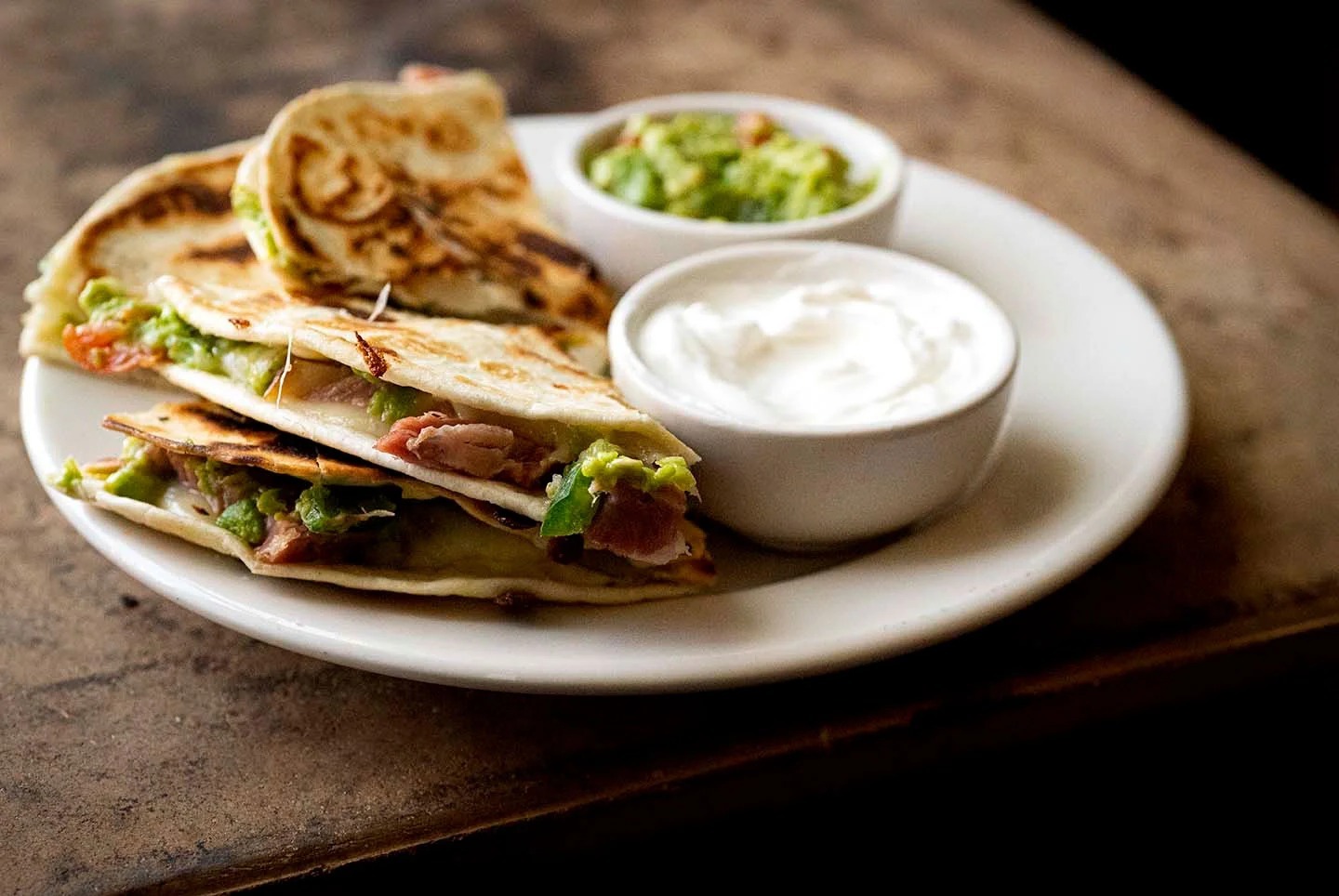
- Sincronizada Recipe10 Minutes
- Hot Ham and Cheese Recipe15 Minutes
- Sausage Pepper and Onion Sandwiches Recipe30 Minutes
- Carrot Cake Recipe1 Hours
- Funeral Potatoes Recipe1 Hours
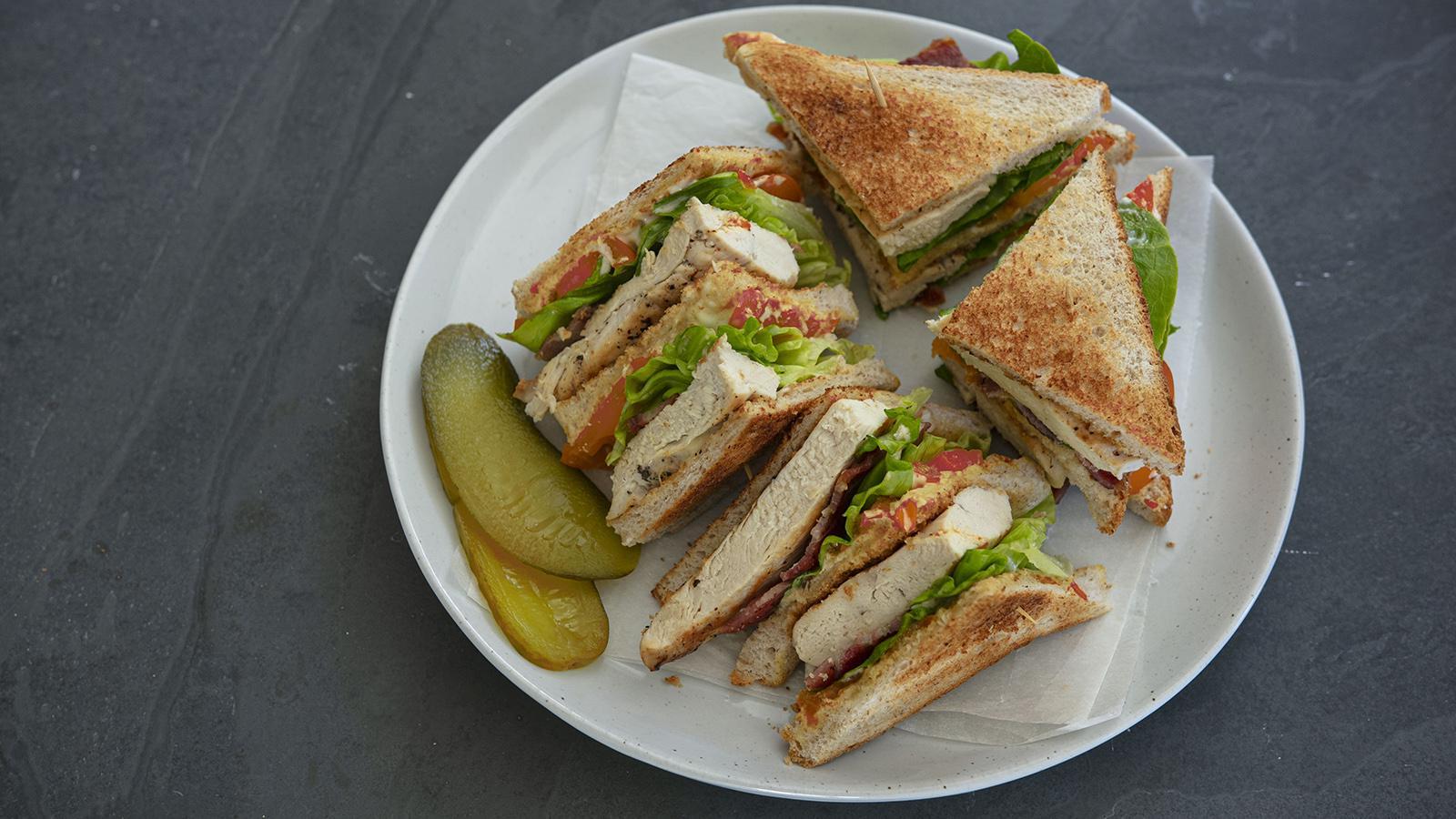
- Club Sandwich Recipe20 Minutes

Leave a Reply