This pasta salad dressing is a delightful blend of flavors that will elevate your pasta salad to new heights. It's a perfect balance of tangy, sweet, and savory, making it an ideal companion for any pasta dish. Whether you're preparing a quick lunch or a side dish for a gathering, this dressing will add a burst of flavor that everyone will love.
If you don't usually stock red wine vinegar or dijon mustard in your pantry, you might need to pick these up at the supermarket. Red wine vinegar adds a unique tangy flavor that is different from other vinegars, and dijon mustard provides a smooth, slightly spicy kick that regular mustard can't match.
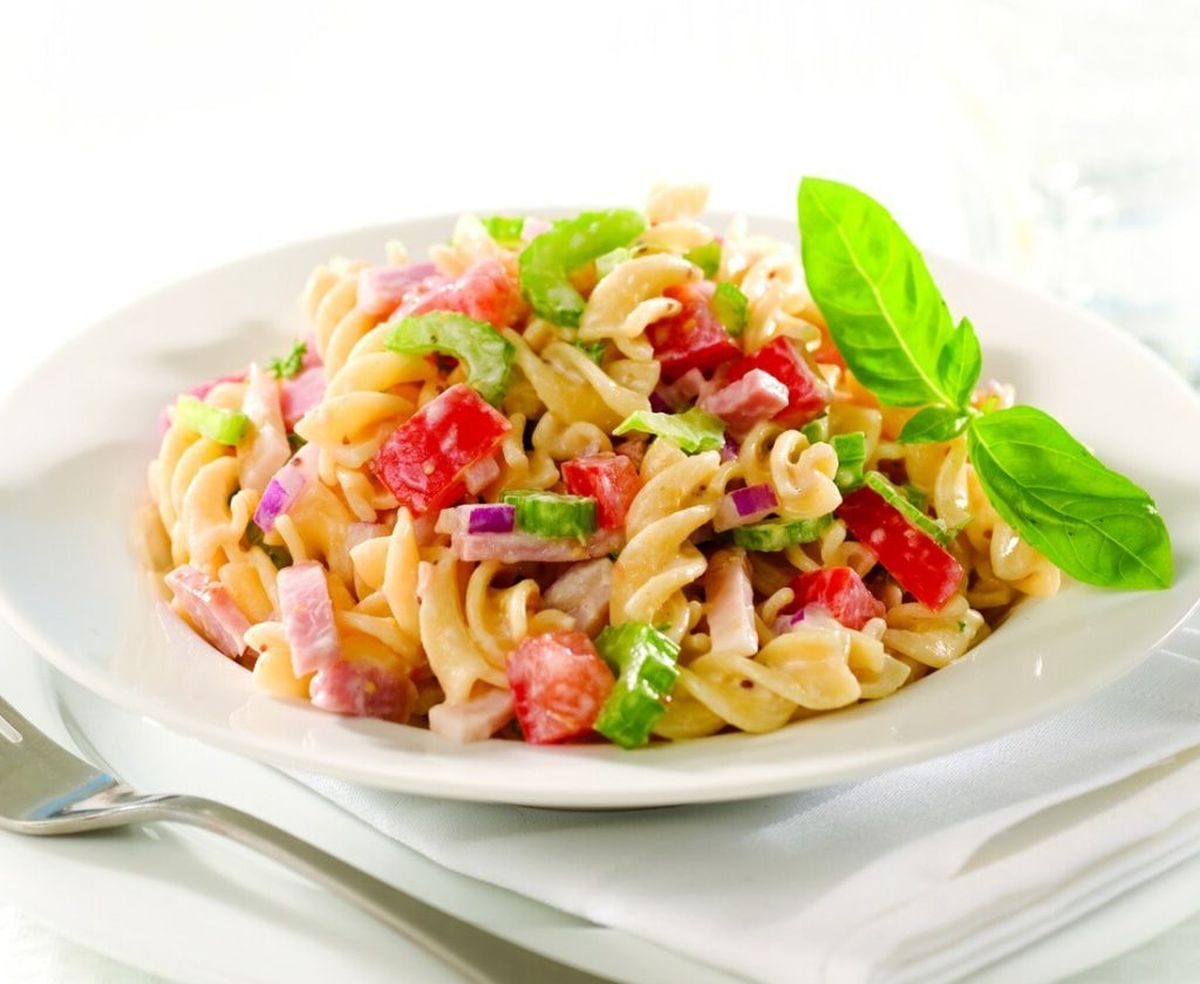
Ingredients For Pasta Salad Dressing Recipe
Olive oil: A rich, flavorful oil that forms the base of the dressing.
Red wine vinegar: Adds a tangy and slightly sweet flavor to balance the dressing.
Dijon mustard: Provides a smooth, slightly spicy kick to the dressing.
Honey: Adds a touch of sweetness to balance the acidity of the vinegar.
Garlic: Minced garlic adds a robust, aromatic flavor.
Salt: Enhances all the flavors in the dressing.
Black pepper: Adds a hint of spice and depth to the dressing.
Technique Tip for This Recipe
When preparing the garlic, make sure to mince it finely to ensure it distributes evenly throughout the dressing. This will help to infuse the olive oil and red wine vinegar mixture with a robust garlic flavor, enhancing the overall taste of your pasta salad.
Suggested Side Dishes
Alternative Ingredients
olive oil - Substitute with avocado oil: Avocado oil has a similar mild flavor and healthy fat profile, making it a great alternative.
olive oil - Substitute with grapeseed oil: Grapeseed oil has a neutral flavor and high smoke point, suitable for dressings.
red wine vinegar - Substitute with apple cider vinegar: Apple cider vinegar has a tangy flavor that can mimic the acidity of red wine vinegar.
red wine vinegar - Substitute with white wine vinegar: White wine vinegar has a similar acidity and can be used in the same quantity.
dijon mustard - Substitute with whole grain mustard: Whole grain mustard provides a similar tangy flavor with a bit more texture.
dijon mustard - Substitute with yellow mustard: Yellow mustard can be used for a milder flavor, though it is less complex.
honey - Substitute with maple syrup: Maple syrup provides a similar sweetness with a slightly different flavor profile.
honey - Substitute with agave nectar: Agave nectar is a good alternative for a similar sweetness and consistency.
garlic - Substitute with garlic powder: Garlic powder can be used in a pinch, though it lacks the fresh flavor of minced garlic.
garlic - Substitute with shallots: Minced shallots provide a mild garlic-like flavor with a hint of sweetness.
salt - Substitute with sea salt: Sea salt can be used in the same quantity and provides a slightly different mineral content.
salt - Substitute with kosher salt: Kosher salt has a coarser texture but can be used in the same amount for a similar flavor.
black pepper - Substitute with white pepper: White pepper provides a similar heat without the black specks, ideal for a smoother appearance.
black pepper - Substitute with cayenne pepper: Cayenne pepper adds a bit more heat and a different flavor profile, so use sparingly.
Alternative Recipes You Might Like
How to Store or Freeze This Recipe
To store your pasta salad dressing, transfer it to an airtight container, preferably a glass jar with a tight-fitting lid. This helps maintain the freshness and prevents any unwanted flavors from seeping in.
Place the container in the refrigerator. The dressing will stay fresh for up to one week. Make sure to give it a good shake or stir before using, as the olive oil and red wine vinegar may separate over time.
If you wish to freeze the dressing, pour it into a freezer-safe container, leaving some space at the top to allow for expansion. Seal the container tightly.
Label the container with the date to keep track of its freshness. The dressing can be frozen for up to three months.
When ready to use, thaw the dressing in the refrigerator overnight. Once thawed, give it a vigorous shake or stir to re-emulsify the ingredients.
For a quick thaw, place the sealed container in a bowl of lukewarm water. This will help speed up the process without compromising the quality of the dressing.
Avoid freezing the dressing in glass containers, as they can crack or shatter due to the expansion of the liquid. Opt for plastic or silicone containers instead.
If you notice any changes in color, texture, or smell after thawing, it's best to discard the dressing. Freshness is key to maintaining the vibrant flavors of your pasta salad.
For an added burst of flavor, consider adding fresh herbs like basil, parsley, or oregano to the dressing just before serving. This will enhance the taste and provide a fresh, aromatic touch.
How to Reheat Leftovers
If your pasta salad contains ingredients that can be warmed up, such as grilled chicken or roasted vegetables, you can gently reheat it in a skillet over medium-low heat. Add a splash of olive oil to prevent sticking and stir occasionally until warmed through.
For a quick microwave method, place the pasta salad in a microwave-safe dish. Cover it with a microwave-safe lid or a damp paper towel to retain moisture. Heat on medium power in 30-second intervals, stirring in between, until it reaches your desired temperature.
If you prefer a more even reheating, use an oven. Preheat your oven to 350°F (175°C). Spread the pasta salad evenly in an oven-safe dish, cover with aluminum foil, and bake for about 15-20 minutes, or until heated through. Stir halfway to ensure even heating.
For a fresh twist, consider reheating only the protein or vegetables separately. Toss the cold pasta salad with the freshly warmed components just before serving to maintain a mix of textures and temperatures.
If your pasta salad includes delicate greens or herbs, it's best to remove them before reheating and add them back in after to keep them fresh and vibrant.
Best Tools for This Recipe
Mixing bowl: A large bowl used to combine all the ingredients for the dressing.
Whisk: A utensil used to blend the ingredients together until they are well combined.
Measuring cups: Tools used to measure the olive oil and red wine vinegar accurately.
Measuring spoons: Tools used to measure the dijon mustard, honey, salt, and black pepper precisely.
Garlic press: A tool to mince the garlic clove efficiently.
Tasting spoon: A spoon used to taste the dressing and adjust the seasoning if necessary.
Salad tongs: Utensils used to toss the pasta salad evenly with the dressing.
How to Save Time on This Recipe
Prepare ingredients in advance: Measure and chop all ingredients ahead of time to streamline the dressing preparation.
Use a blender: Combine all dressing ingredients in a blender for a quick and smooth mixture.
Make extra: Double the recipe and store the extra dressing in the fridge for future use.
Pre-minced garlic: Use pre-minced garlic to save time on chopping.
Batch cooking: Prepare a large batch of pasta salad and dressing to have ready-to-eat meals throughout the week.
Pasta Salad Dressing Recipe
Ingredients
Dressing Ingredients
- ½ cup Olive Oil
- ¼ cup Red Wine Vinegar
- 1 tablespoon Dijon Mustard
- 1 teaspoon Honey
- 1 clove Garlic, minced
- 1 teaspoon Salt
- ½ teaspoon Black Pepper
Instructions
- In a mixing bowl, whisk together olive oil, red wine vinegar, Dijon mustard, honey, minced garlic, salt, and black pepper until well combined.
- Taste and adjust seasoning if necessary.
- Pour over pasta salad and toss to coat evenly.
Nutritional Value
Keywords
More Amazing Recipes to Try 🙂
- Coney Island Hot Dogs Recipe45 Minutes
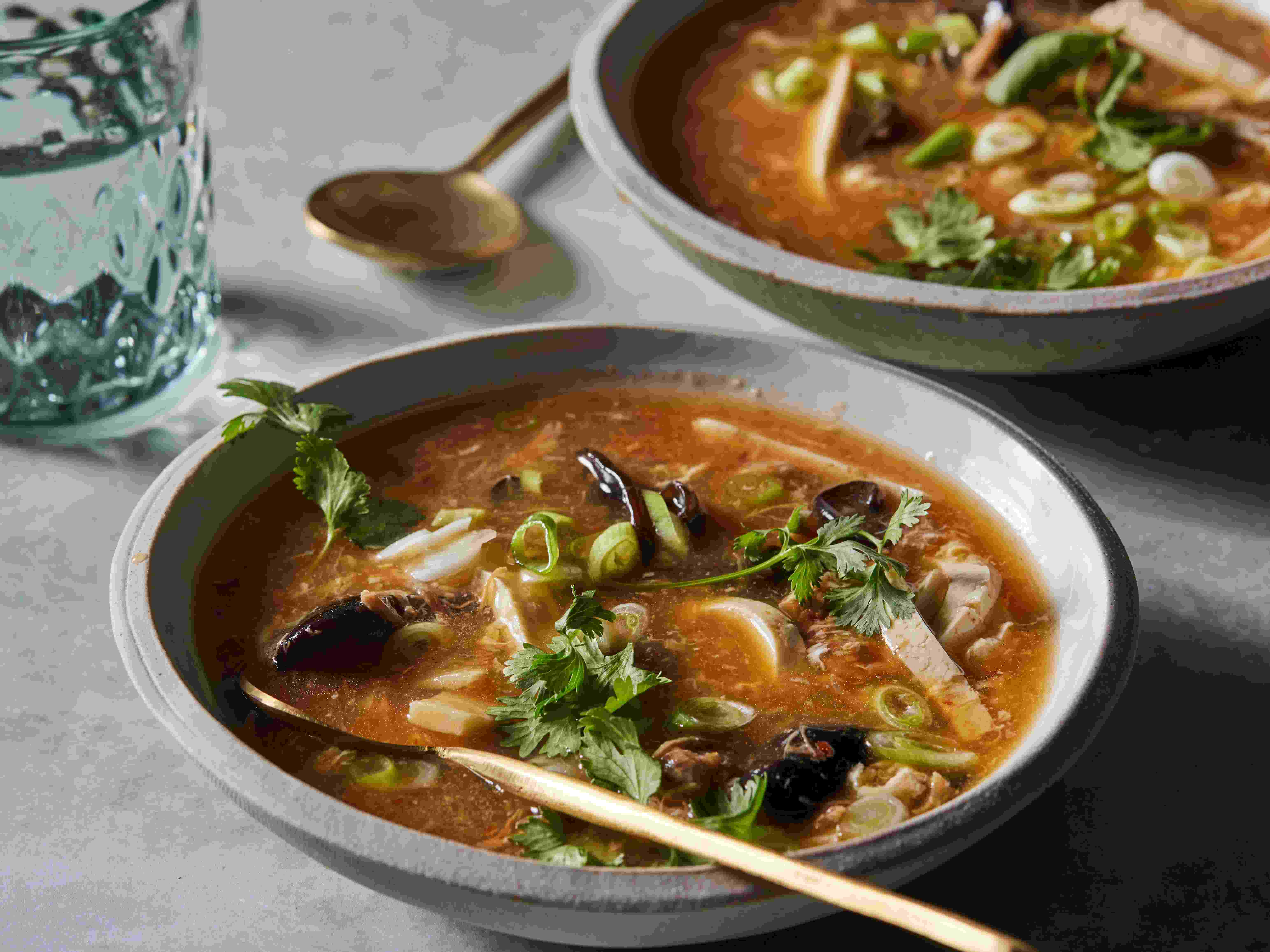
- Hot and Sour Soup Recipe35 Minutes
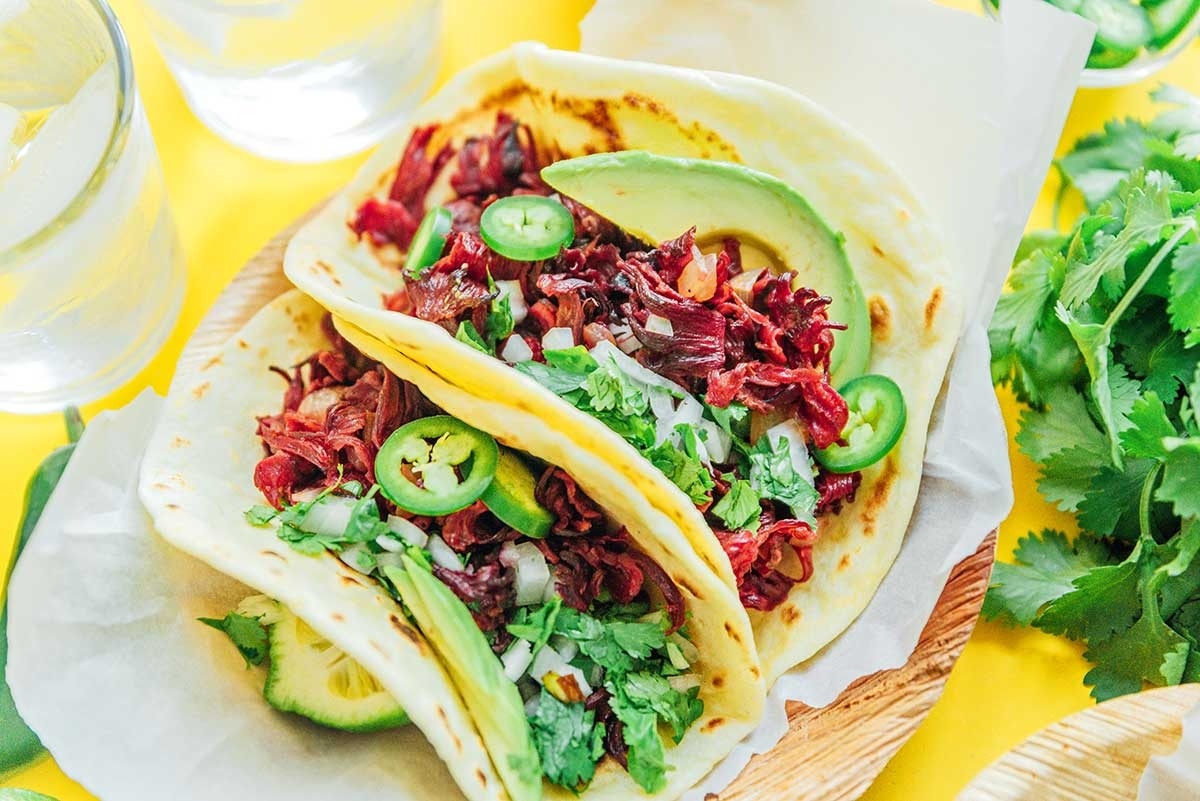
- Tacos de Jamaica Recipe35 Minutes
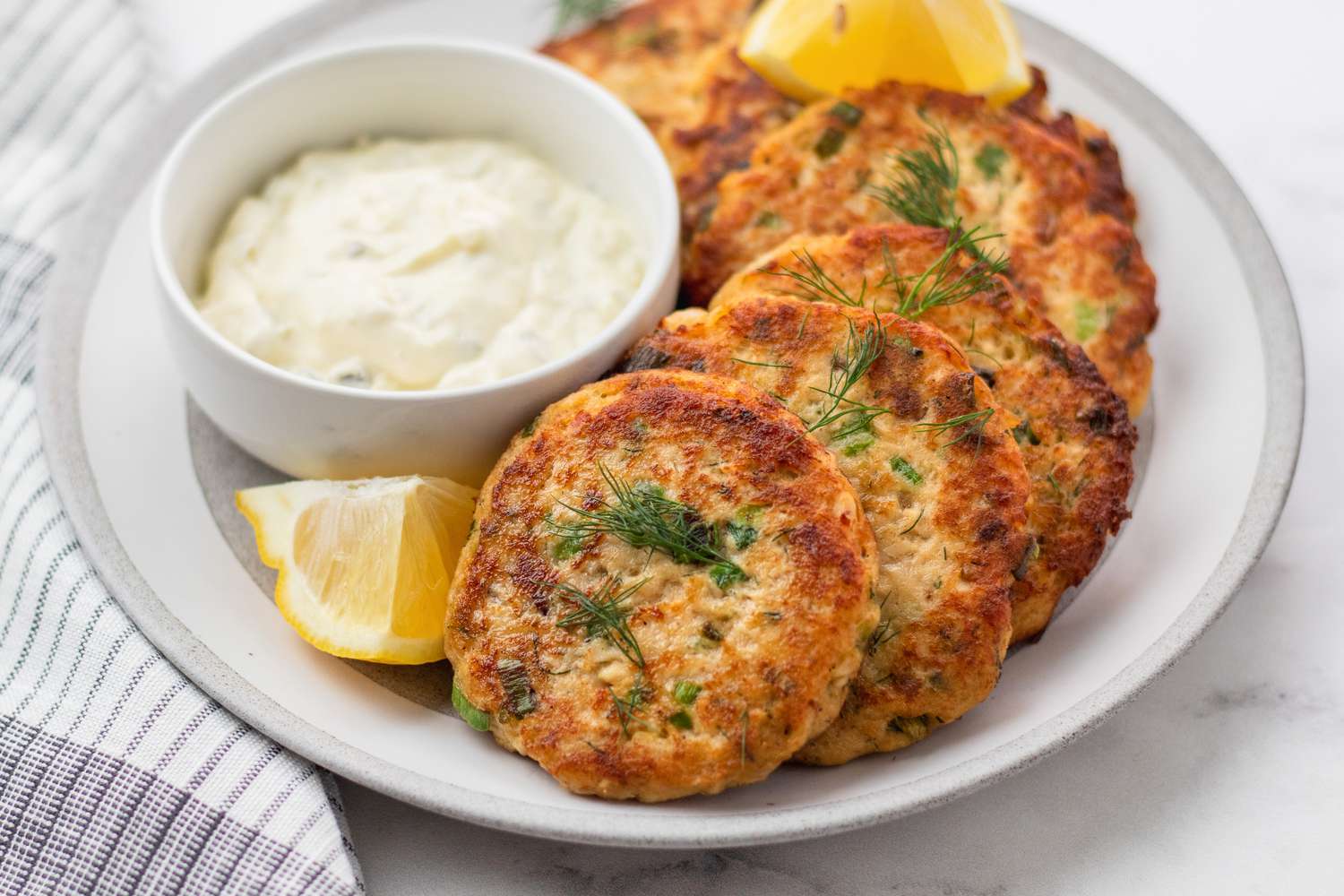
- Salmon Patties Recipe25 Minutes
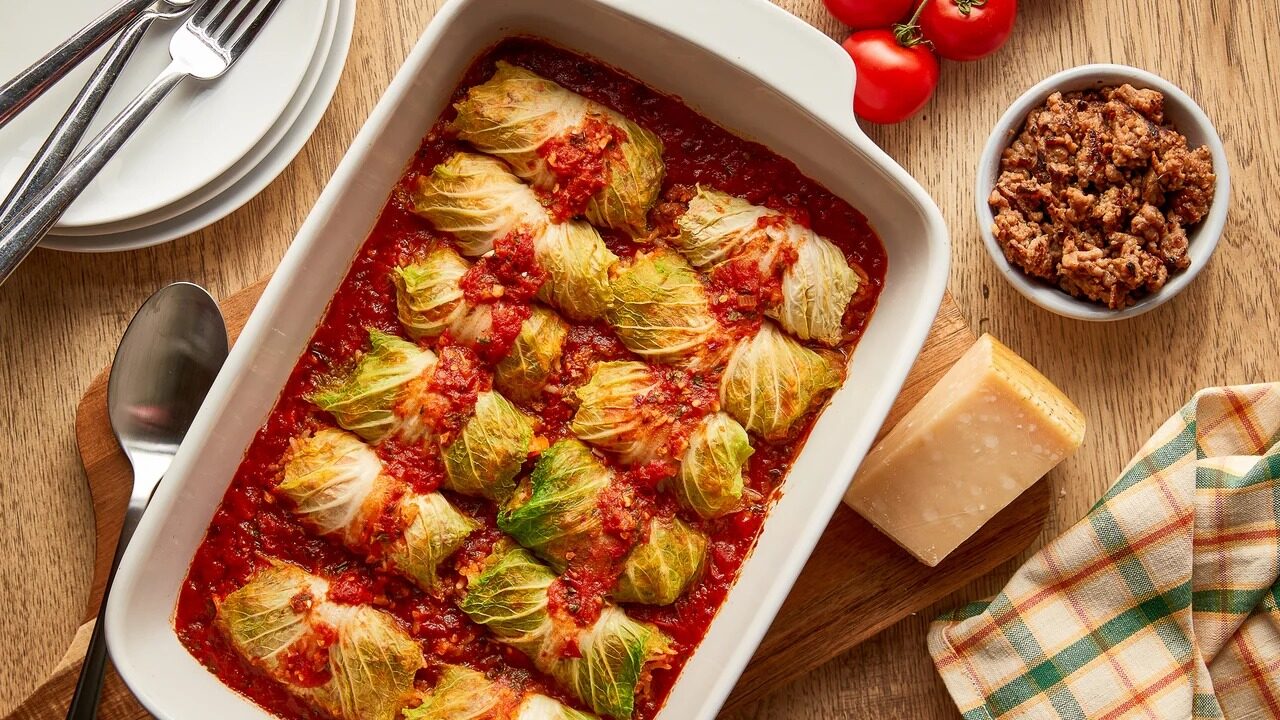
- Italian Sausage Stuffed Cabbage Rolls Recipe1 Hours 30 Minutes
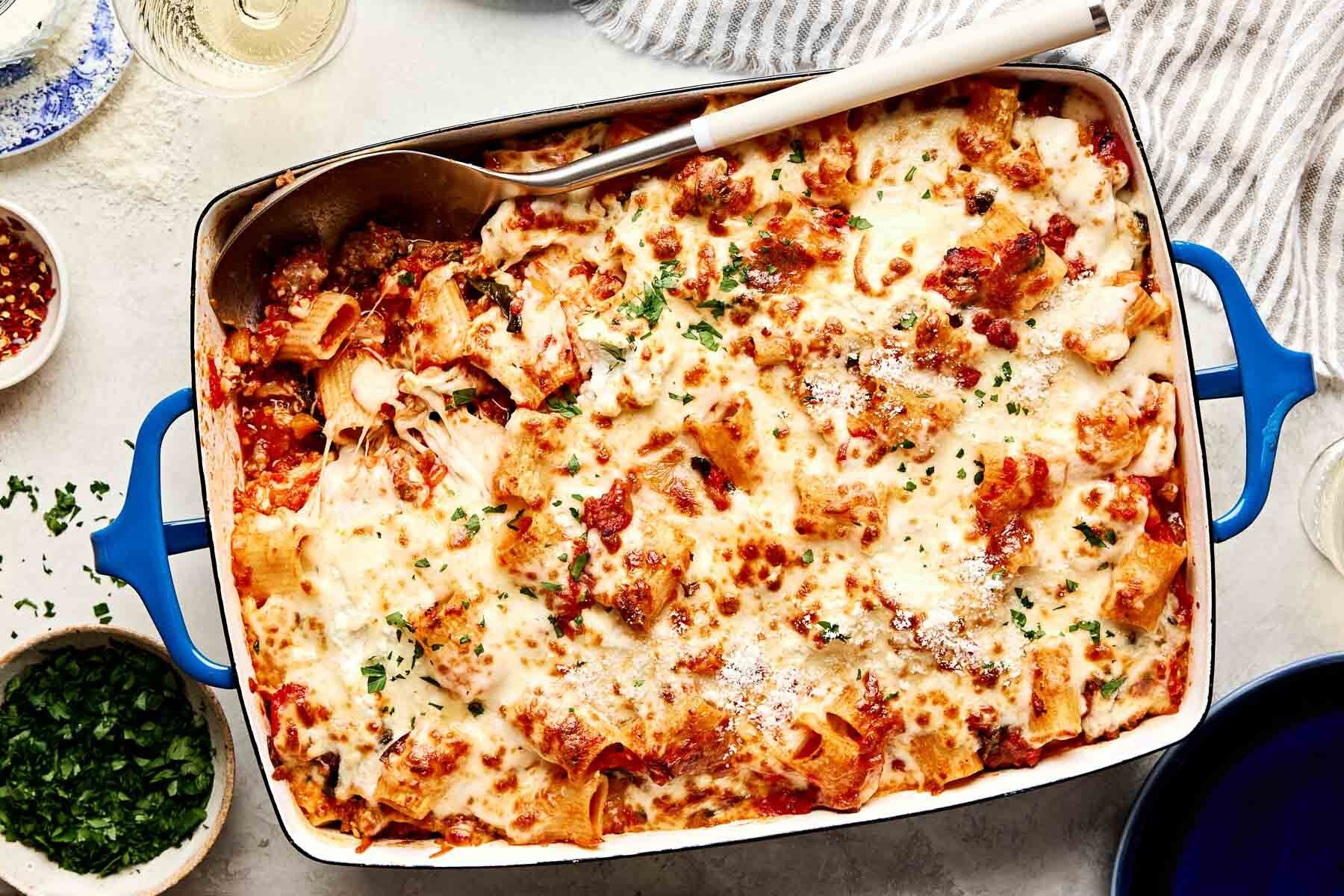
- Baked Rigatoni with Italian Sausage Recipe1 Hours
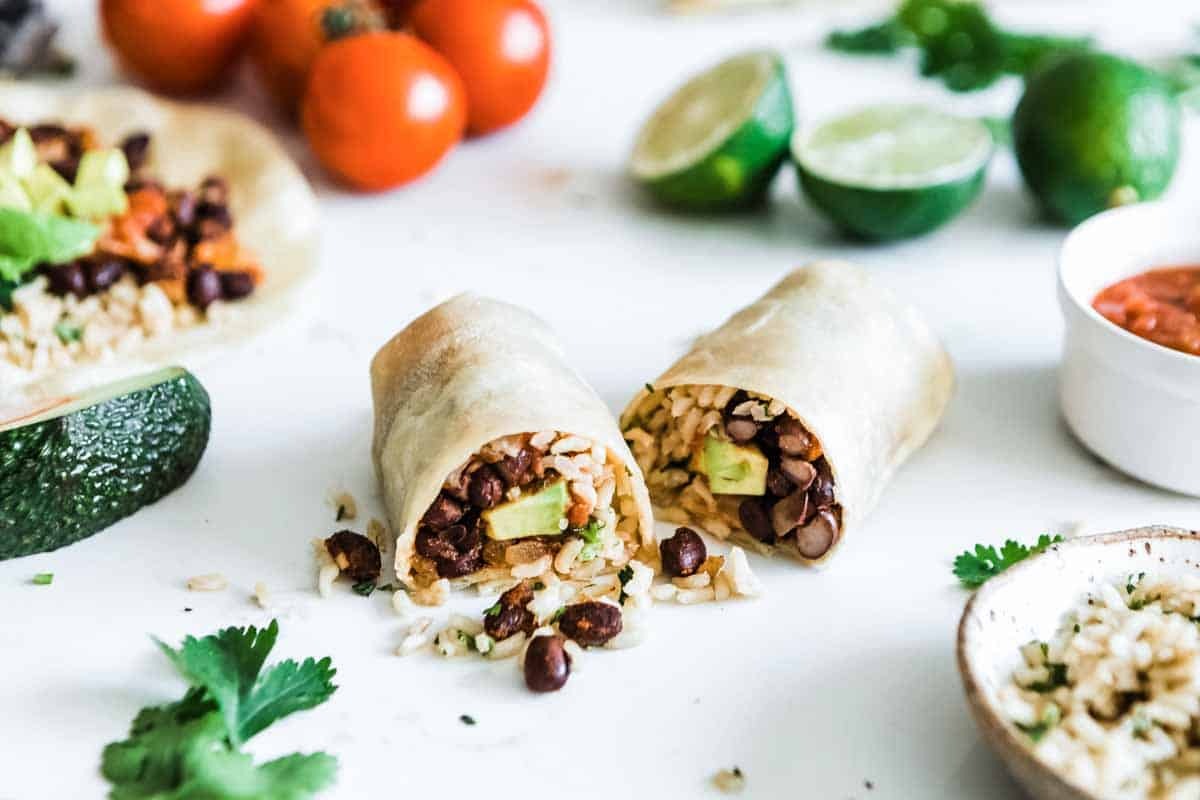
- Black Bean and Rice Burritos Recipe30 Minutes
- Egg Casserole Recipe55 Minutes

Leave a Reply