
This Italian sausage sauce is a hearty and flavorful addition to your pasta dishes. With the rich taste of Italian sausage, aromatic herbs, and a hint of spice, this sauce is sure to become a family favorite. Perfect for a cozy dinner, it brings the authentic flavors of Italy right to your table.
When preparing this recipe, you might need to visit the supermarket for a few key ingredients. Italian sausage, which is typically sold in casings, needs to be removed before cooking. Additionally, dried basil and dried oregano are essential herbs that add depth to the sauce. If you enjoy a bit of heat, don't forget the red pepper flakes.
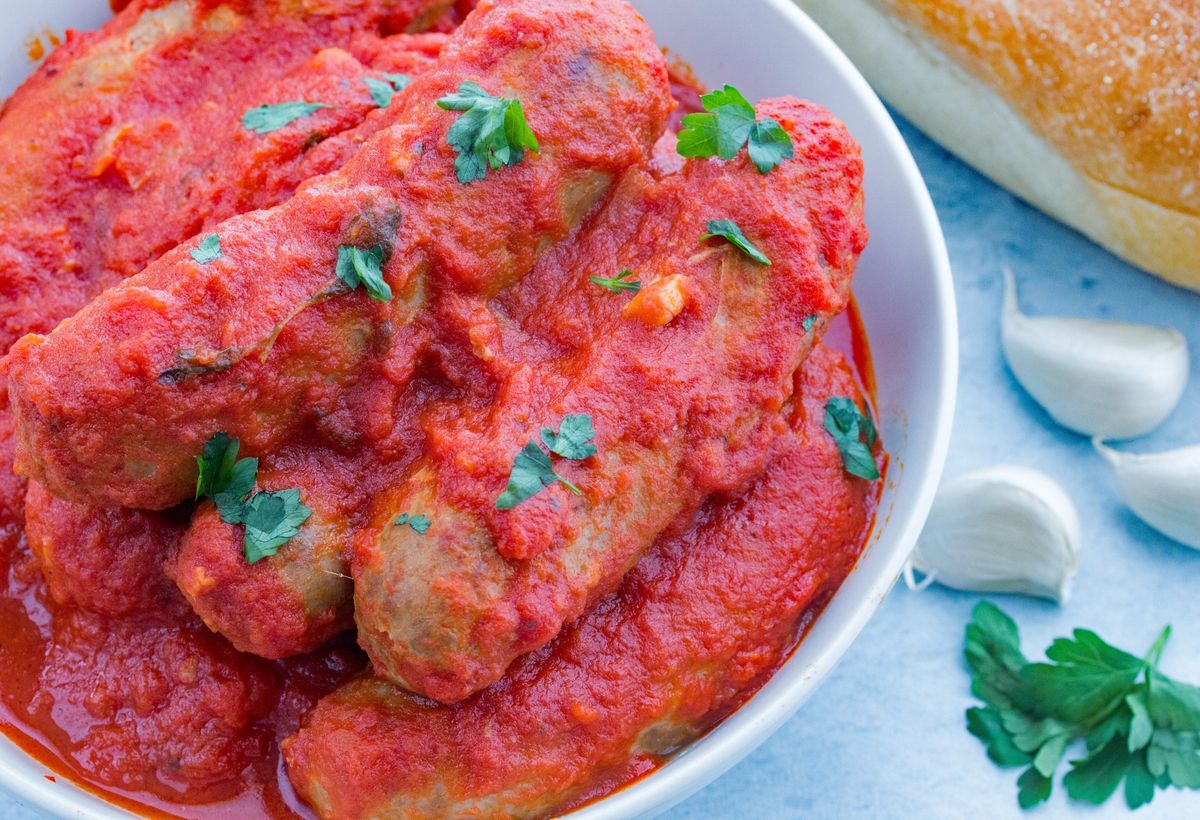
Ingredients for Italian Sausage Sauce Recipe
Italian sausage: A flavorful sausage that forms the base of the sauce, typically sold in casings which need to be removed before cooking.
Onion: Adds sweetness and depth to the sauce when cooked until softened.
Garlic: Provides a robust and aromatic flavor, essential in Italian cooking.
Crushed tomatoes: The main component of the sauce, giving it a rich and hearty texture.
Dried basil: An aromatic herb that adds a sweet and slightly peppery flavor.
Dried oregano: A pungent herb that brings a warm and slightly bitter taste to the sauce.
Red pepper flakes: Optional, but adds a spicy kick to the sauce if desired.
Salt: Enhances the overall flavor of the sauce.
Black pepper: Adds a mild heat and depth to the sauce.
Technique Tip for This Recipe
When browning the sausage, make sure to break it into small, even pieces using a wooden spoon. This ensures that the meat cooks evenly and develops a rich, caramelized flavor. Additionally, when adding the onions and garlic, be careful not to burn them; lower the heat if necessary to maintain a gentle sauté. This will prevent any bitter flavors from developing in your sauce.
Suggested Side Dishes
Alternative Ingredients
italian sausage - Substitute with ground turkey: Ground turkey is a leaner option and can be seasoned with Italian herbs to mimic the flavor of Italian sausage.
diced onion - Substitute with shallots: Shallots have a milder and sweeter flavor compared to onions, making them a good alternative.
minced garlic - Substitute with garlic powder: Garlic powder can be used when fresh garlic is not available; use ⅛ teaspoon of garlic powder per clove of garlic.
crushed tomatoes - Substitute with tomato sauce: Tomato sauce can be used as a substitute, though it may be slightly thinner; you can thicken it by simmering longer.
dried basil - Substitute with fresh basil: Fresh basil can be used in place of dried basil; use 1 tablespoon of fresh basil for every teaspoon of dried basil.
dried oregano - Substitute with fresh oregano: Fresh oregano can be used instead of dried; use 1 tablespoon of fresh oregano for every teaspoon of dried oregano.
red pepper flakes - Substitute with cayenne pepper: Cayenne pepper can add a similar level of heat; use sparingly as it is more potent.
salt - Substitute with soy sauce: Soy sauce can add a salty and umami flavor, but use it in moderation to avoid overpowering the dish.
black pepper - Substitute with white pepper: White pepper has a slightly different flavor but can be used to provide a similar level of heat and spice.
Other Alternative Recipes Similar to This
How to Store / Freeze This Recipe
Allow the Italian sausage sauce to cool completely before storing. This helps prevent condensation, which can lead to a watery sauce.
Transfer the cooled sauce into airtight containers or heavy-duty freezer bags. If using freezer bags, lay them flat to save space and ensure even freezing.
Label the containers or bags with the date and contents. This will help you keep track of how long the sauce has been stored.
Store the sauce in the refrigerator for up to 4 days. For longer storage, place the containers or bags in the freezer, where the sauce can be kept for up to 3 months.
When ready to use, thaw the sauce in the refrigerator overnight. If you're in a hurry, you can also thaw it in a microwave using the defrost setting.
Reheat the sauce in a saucepan over medium heat, stirring occasionally until it reaches the desired temperature. If the sauce is too thick after reheating, add a splash of water or broth to achieve the desired consistency.
For an extra burst of flavor, consider adding fresh herbs like basil or parsley during the reheating process. This will give the sauce a fresh, vibrant taste.
If you plan to freeze individual portions, use smaller containers or divide the sauce into ice cube trays. Once frozen, transfer the cubes to a freezer bag. This method allows you to thaw only what you need.
To avoid freezer burn, ensure that the containers or bags are sealed tightly and that there is minimal air inside. This will help maintain the sauce's quality and flavor.
For an added layer of protection, wrap the containers or bags in aluminum foil before freezing. This can help prevent any potential freezer burn and keep the sauce tasting fresh.
How to Reheat Leftovers
- Stovetop: Place the leftover Italian sausage sauce in a saucepan. Heat over medium-low heat, stirring occasionally, until warmed through. This method helps maintain the sauce's texture and flavor.
- Microwave: Transfer the sauce to a microwave-safe container. Cover with a microwave-safe lid or plastic wrap, leaving a small vent. Heat on medium power in 1-minute intervals, stirring in between, until the sauce is heated evenly.
- Oven: Preheat your oven to 350°F (175°C). Place the sauce in an oven-safe dish and cover with aluminum foil. Heat for about 20-25 minutes, or until the sauce is hot throughout. This method is great if you're reheating a large batch.
- Slow Cooker: Pour the sauce into a slow cooker and set it to low. Heat for 1-2 hours, stirring occasionally. This method is perfect for keeping the sauce warm for a longer period without overcooking.
- Double Boiler: Fill a pot with a few inches of water and bring to a simmer. Place the sauce in a heatproof bowl and set it over the simmering water. Stir occasionally until the sauce is heated through. This gentle method prevents the sauce from burning.
Best Tools for This Recipe
Large skillet: A wide, flat-bottomed pan used for browning the sausage and cooking the sauce.
Wooden spoon: A sturdy utensil for breaking up the sausage and stirring the sauce.
Knife: Essential for dicing the onion and mincing the garlic.
Cutting board: A safe surface for chopping the onion and garlic.
Can opener: Necessary for opening the can of crushed tomatoes.
Measuring spoons: Used to measure out the dried basil, dried oregano, and optional red pepper flakes.
Stirring spoon: Another spoon for stirring the sauce as it simmers.
Ladle: Useful for serving the sauce over pasta.
Pasta pot: If you're cooking pasta to go with the sauce, you'll need a pot to boil it in.
Colander: For draining the pasta if you're serving it with the sauce.
How to Save Time on This Recipe
Prepare ingredients in advance: Dice the onion and mince the garlic ahead of time to streamline the cooking process.
Use pre-crushed tomatoes: Opt for a can of crushed tomatoes to save the effort of crushing them yourself.
Cook sausage in bulk: Brown extra Italian sausage and freeze portions for future use.
Simmer while multitasking: Let the sauce simmer while you prepare other parts of the meal or clean up.
Pre-measure spices: Measure out the dried basil, dried oregano, and red pepper flakes before starting to cook.
Italian Sausage Sauce Recipe
Ingredients
Main Ingredients
- 1 lb Italian sausage casings removed
- 1 medium onion diced
- 2 cloves garlic minced
- 1 can crushed tomatoes 28 oz
- 1 teaspoon dried basil
- 1 teaspoon dried oregano
- 1 pinch red pepper flakes optional
- to taste salt
- to taste black pepper
Instructions
- 1. Heat a large skillet over medium heat. Add the sausage and cook until browned, breaking it up with a wooden spoon.
- 2. Add the diced onion and cook until softened, about 5 minutes.
- 3. Stir in the minced garlic and cook for another minute.
- 4. Pour in the crushed tomatoes and add the dried basil, dried oregano, and red pepper flakes if using. Stir to combine.
- 5. Bring the sauce to a simmer and let it cook for about 20 minutes, stirring occasionally.
- 6. Season with salt and black pepper to taste. Serve over your favorite pasta.
Nutritional Value
Keywords
Suggested Appetizers and Desserts
More Amazing Recipes to Try 🙂
- Lemon Cake Recipe45 Minutes
- Grilled Panini Sandwich Recipe15 Minutes
- Tangy Turkey and Swiss Sandwiches Recipe15 Minutes
- BBQ Spice Rub Recipe10 Minutes
- Italian Style Chicken Noodle Soup Recipe45 Minutes
- Meatloaf Grilled Cheese Sandwich Recipe20 Minutes
- Oven Scrambled Eggs Recipe30 Minutes
- Peach and Tomato Caprese Salad Recipe15 Minutes







Leave a Reply