
Creating your own mayonnaise at home is not only satisfying but also allows you to control the quality and flavor of this versatile condiment. With just a few simple ingredients, you can whip up a creamy and delicious mayonnaise that will elevate your sandwiches, salads, and more.
Most of the ingredients for this mayonnaise recipe are common pantry staples. However, you might need to ensure you have dijon mustard and freshly squeezed lemon juice on hand. Dijon mustard adds a subtle tang and depth of flavor, while lemon juice provides a fresh, zesty kick that balances the richness of the mayonnaise.
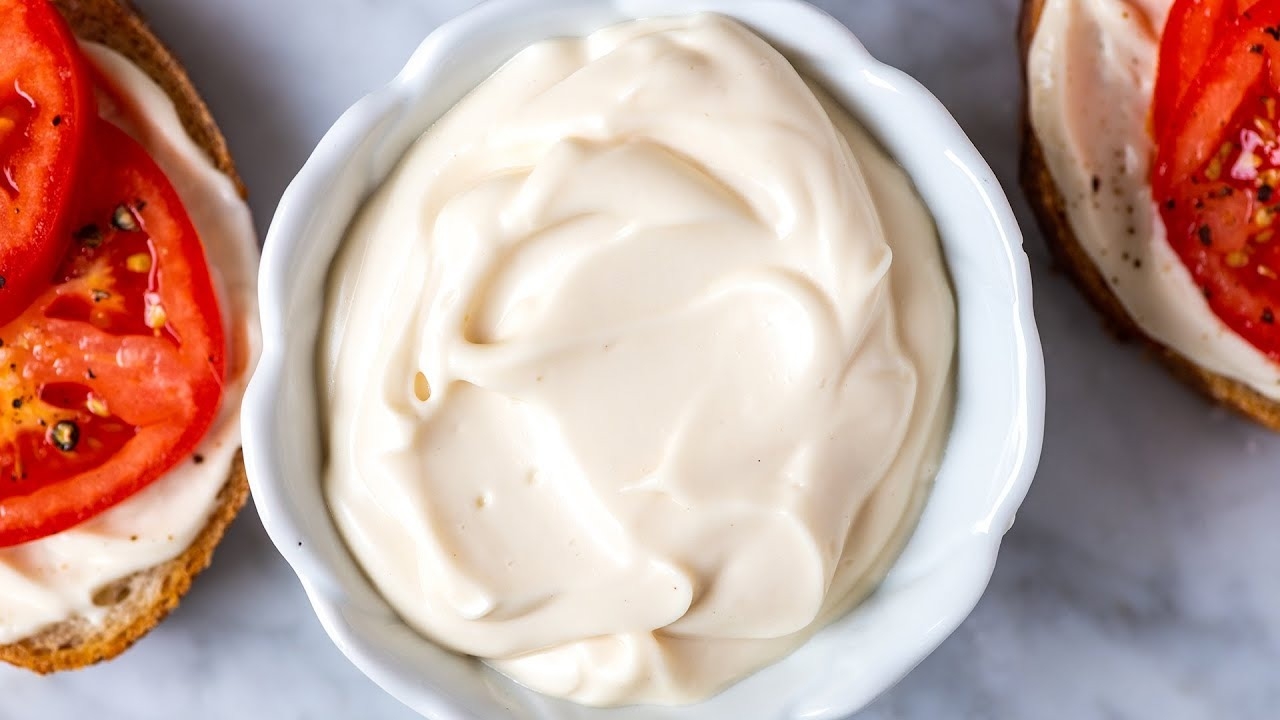
Ingredients For Mayonnaise Recipe
Vegetable oil: The base of the mayonnaise, providing a smooth and neutral flavor.
Egg: Acts as an emulsifier, helping to combine the oil and other ingredients into a creamy mixture.
Lemon juice: Adds a fresh, zesty flavor and helps to stabilize the mayonnaise.
Dijon mustard: Provides a subtle tang and depth of flavor.
Salt: Enhances the overall taste and balances the flavors.
Technique Tip for This Recipe
When making mayonnaise, ensure all your ingredients are at room temperature. This helps the emulsion process, making it easier for the oil and egg to combine smoothly. If the mixture starts to separate, stop adding oil and whisk vigorously until it comes back together before continuing.
Suggested Side Dishes
Alternative Ingredients
vegetable oil - Substitute with olive oil: Olive oil provides a richer flavor and is a healthier fat option.
vegetable oil - Substitute with avocado oil: Avocado oil has a neutral taste and is high in monounsaturated fats, making it a healthy alternative.
whole egg - Substitute with aquafaba: Aquafaba, the liquid from canned chickpeas, can mimic the emulsifying properties of eggs, making it a great vegan substitute.
whole egg - Substitute with silken tofu: Silken tofu can be blended to a smooth consistency and used as an egg replacement, suitable for vegans.
lemon juice - Substitute with apple cider vinegar: Apple cider vinegar provides the necessary acidity and tanginess similar to lemon juice.
lemon juice - Substitute with white wine vinegar: White wine vinegar offers a mild acidity that can replace lemon juice in mayonnaise.
dijon mustard - Substitute with yellow mustard: Yellow mustard can be used as a milder alternative to dijon mustard.
dijon mustard - Substitute with whole grain mustard: Whole grain mustard provides a similar flavor profile with added texture.
salt - Substitute with sea salt: Sea salt can be used as a direct replacement for regular salt, offering a slightly different mineral content.
salt - Substitute with kosher salt: Kosher salt has larger grains and can be used in place of regular salt, often preferred for its purity and texture.
Other Alternative Recipes Similar to This
How to Store / Freeze Your Dish
Refrigeration:
- Transfer your freshly made mayonnaise into a clean, airtight container.
- Store it in the coldest part of your refrigerator, ideally at a temperature below 40°F (4°C).
- Homemade mayonnaise should be consumed within 3-5 days to ensure optimal freshness and safety.
Avoid Cross-Contamination:
- Always use a clean spoon or utensil when scooping out mayonnaise to prevent introducing bacteria.
- Do not return any unused mayonnaise back into the container once it has been taken out.
Freezing:
- While mayonnaise can technically be frozen, it is not recommended due to potential changes in texture and consistency.
- If you must freeze it, place the mayonnaise in a freezer-safe container, leaving some space at the top for expansion.
- Thaw it in the refrigerator and whisk it well before use, though be prepared for possible separation or a grainy texture.
Labeling:
- Clearly label your container with the date of preparation to keep track of its freshness.
- This helps in ensuring you consume it within the safe period and avoid any risk of spoilage.
Temperature Control:
- Avoid leaving mayonnaise at room temperature for extended periods.
- If serving mayonnaise at a gathering, keep it chilled on ice to maintain its safety and quality.
Check for Spoilage:
- Before each use, check for any signs of spoilage such as an off smell, discoloration, or separation.
- If any of these signs are present, it is best to discard the mayonnaise to avoid any health risks.
How to Reheat Leftovers
- First and foremost, it's important to note that mayonnaise is not typically reheated. The egg in the recipe can curdle and the oil can separate, leading to an undesirable texture and taste. Instead, consider using it cold or at room temperature.
- If you must warm it slightly, place the mayonnaise in a heatproof bowl and set it over a pot of simmering water. Stir gently and continuously to prevent the mixture from overheating.
- Another method is to let the mayonnaise sit at room temperature for about 15-20 minutes before using it. This will take the chill off without compromising its texture.
- Avoid microwaving mayonnaise as it can cause the egg to cook unevenly and the oil to separate.
- For dishes that require a warm mayonnaise-based sauce, consider making a fresh batch and incorporating it into your warm dish just before serving. This ensures the best texture and flavor.
Best Tools for This Recipe
Mixing bowl: A large bowl to combine and whisk the ingredients together.
Whisk: A hand tool used to blend the egg, lemon juice, dijon mustard, and salt until well combined.
Measuring cup: Used to measure out the vegetable oil accurately.
Measuring spoons: Used to measure the lemon juice, dijon mustard, and salt precisely.
Spatula: Useful for scraping down the sides of the mixing bowl to ensure all ingredients are well incorporated.
Storage container: An airtight container to store the mayonnaise in the refrigerator.
How to Save Time on Making This Recipe
Use an immersion blender: Speed up the emulsification process by using an immersion blender instead of whisking by hand.
Room temperature ingredients: Ensure the egg and lemon juice are at room temperature to help the mayonnaise emulsify faster.
Pre-measure ingredients: Measure out all your ingredients before starting to save time during the mixing process.
Steady pouring: Use a squeeze bottle for the vegetable oil to control the flow and add it slowly without stopping.
Adjust seasoning quickly: Taste and adjust the salt and lemon juice right after emulsification to save time.
Mayonnaise Recipe
Ingredients
Main Ingredients
- 1 cup Vegetable oil
- 1 whole Egg at room temperature
- 1 tablespoon Lemon juice freshly squeezed
- 1 teaspoon Dijon mustard
- ½ teaspoon Salt
Instructions
- In a bowl, whisk together the egg, lemon juice, Dijon mustard, and salt until well combined.
- Slowly add the vegetable oil while whisking continuously until the mixture thickens and emulsifies.
- Adjust seasoning to taste. Store in the refrigerator.
Nutritional Value
Keywords
More Amazing Recipes to Try 🙂
- Italian Risotto Con Quaglie Recipe1 Hours
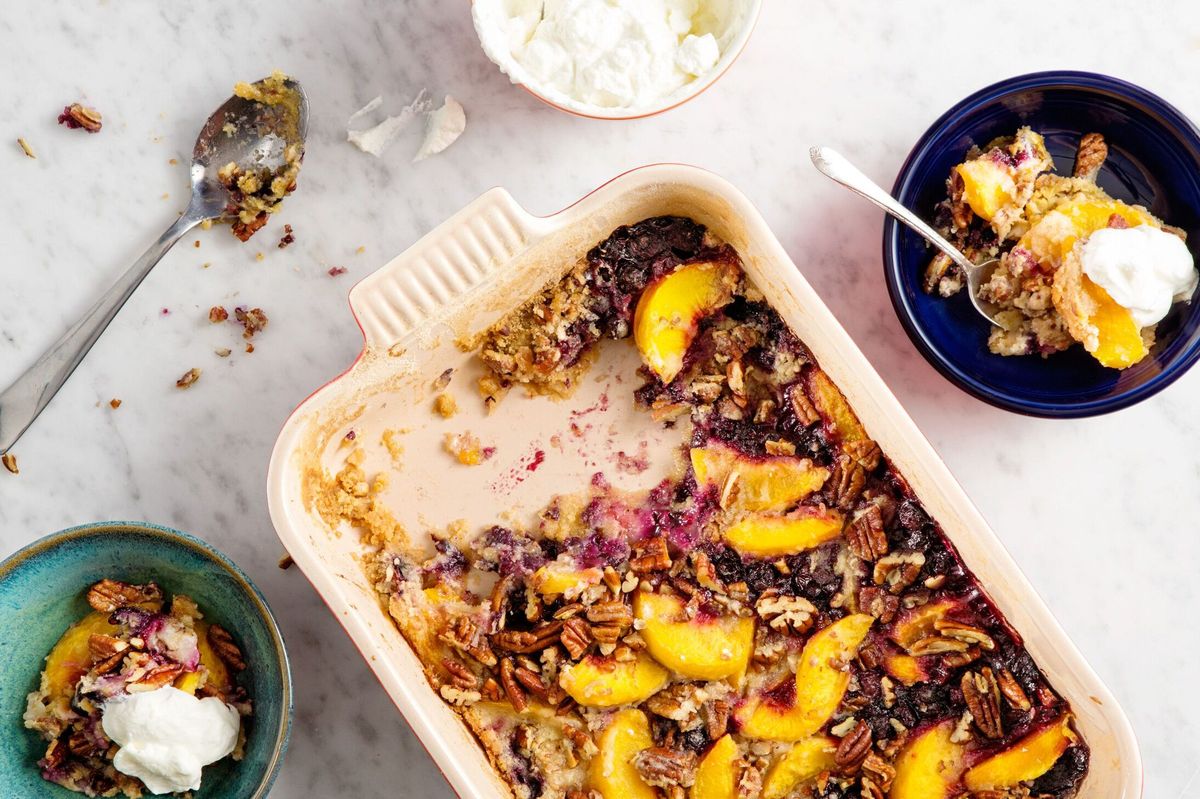
- Dump Cake Recipe55 Minutes
- Grilled Cheese and Peanut Butter Sandwich Recipe10 Minutes
- Ciabatta Bread Recipe45 Minutes
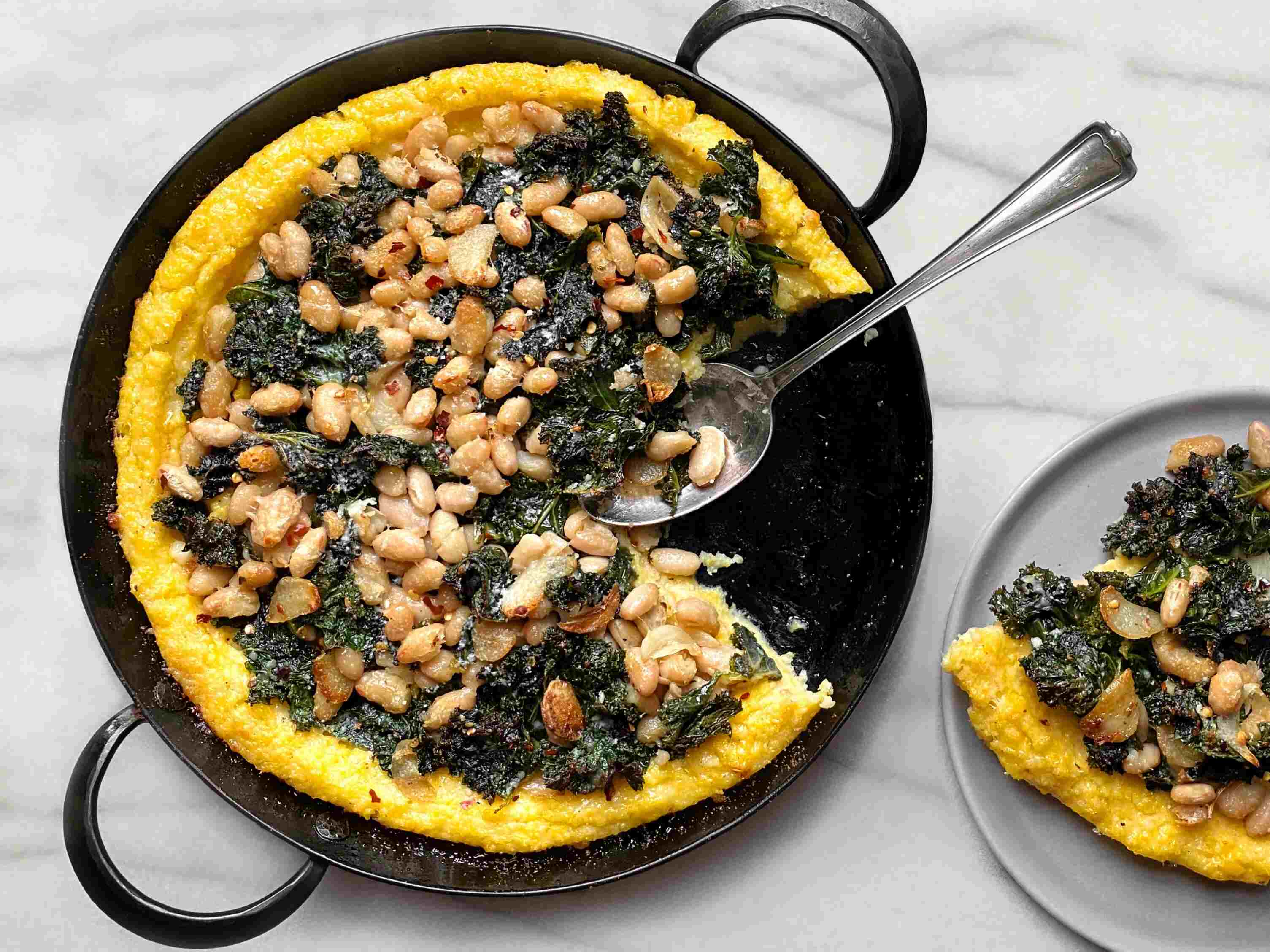
- Polenta Recipe40 Minutes
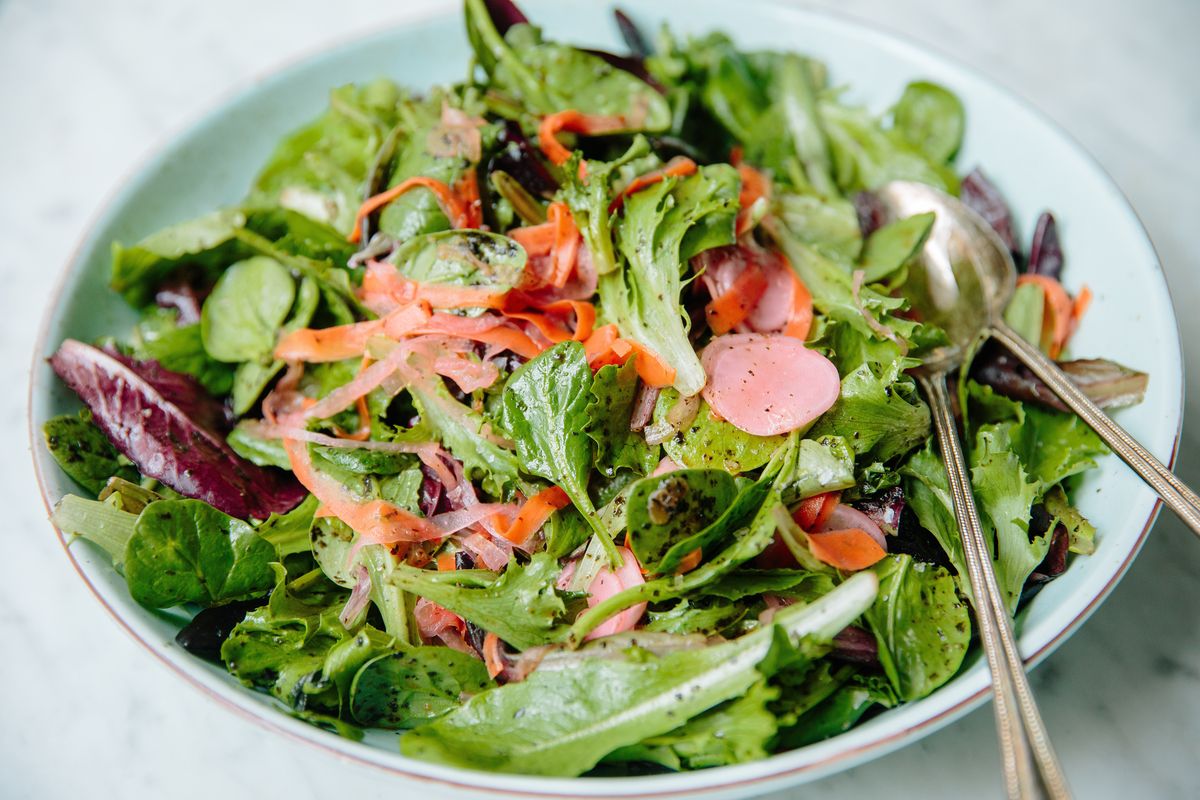
- Green Salad Recipe10 Minutes
- Tamales Recipe3 Hours
- Roasted Kohlrabi Recipe40 Minutes







Leave a Reply