
This miso sesame dressing is a delightful blend of umami-rich miso paste and nutty sesame oil. Perfect for drizzling over salads, marinating meats, or even as a dipping sauce, it brings a burst of flavor to any dish. The combination of soy sauce, rice vinegar, and a hint of sweetness from honey makes it versatile and delicious.
Some ingredients in this recipe might not be staples in every kitchen. White miso paste is a fermented soybean paste that adds a deep umami flavor. You can find it in the Asian section of most supermarkets. Sesame oil is another key ingredient, known for its strong, nutty aroma and flavor. Make sure to get toasted sesame oil for the best taste. Rice vinegar is a mild vinegar made from fermented rice, commonly used in Asian cuisine.
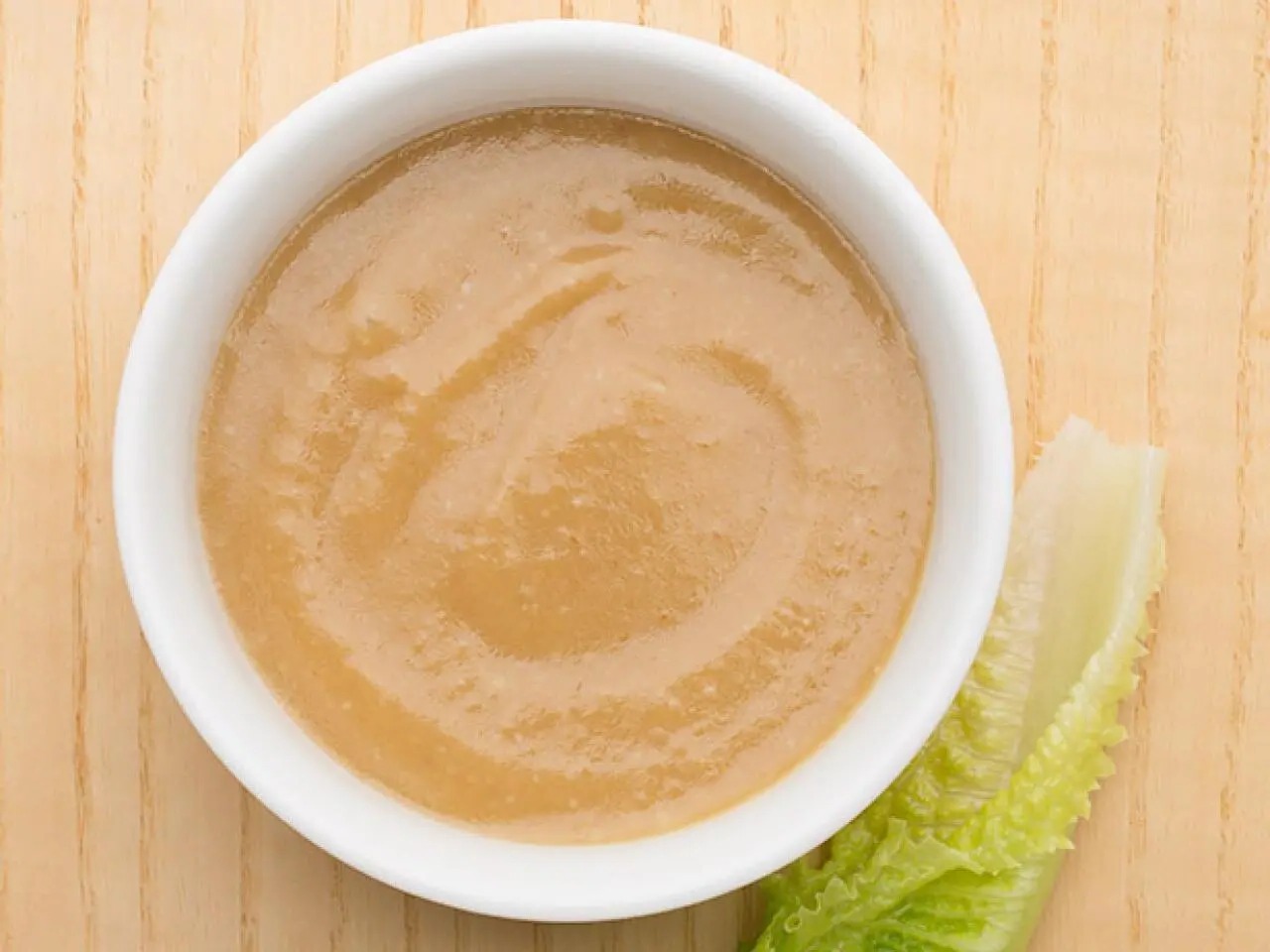
Ingredients For Miso Sesame Dressing Recipe
White miso paste: A fermented soybean paste that provides a rich umami flavor.
Sesame oil: A nutty oil that adds depth and aroma to the dressing.
Rice vinegar: A mild vinegar that balances the flavors with a slight tang.
Soy sauce: Adds saltiness and umami to the dressing.
Honey: Provides a touch of sweetness to balance the savory elements.
Grated ginger: Adds a fresh, spicy kick to the dressing.
Garlic: Minced garlic adds a robust flavor and aroma.
Technique Tip for This Recipe
When preparing the miso paste and sesame oil, ensure they are at room temperature to make whisking them together easier and to achieve a smoother consistency. For the ginger, use a microplane grater to get a fine texture that will blend seamlessly into the dressing. If you find the dressing too thick, you can thin it out with a small amount of water, adding a teaspoon at a time until you reach your desired consistency.
Suggested Side Dishes
Alternative Ingredients
white miso paste - Substitute with chickpea miso: Chickpea miso provides a similar umami flavor and is a good alternative for those avoiding soy.
white miso paste - Substitute with tahini: Tahini offers a nutty flavor that complements the other ingredients, though it lacks the fermented taste of miso.
sesame oil - Substitute with olive oil: Olive oil has a milder flavor but can still provide the necessary fat content for the dressing.
sesame oil - Substitute with avocado oil: Avocado oil has a neutral taste and a similar consistency, making it a good alternative.
rice vinegar - Substitute with apple cider vinegar: Apple cider vinegar has a similar acidity and can provide a slightly fruity undertone.
rice vinegar - Substitute with white wine vinegar: White wine vinegar offers a comparable tanginess and can be used in equal amounts.
soy sauce - Substitute with tamari: Tamari is a gluten-free alternative that provides a similar salty and umami flavor.
soy sauce - Substitute with coconut aminos: Coconut aminos are a soy-free option that adds a slightly sweeter taste while maintaining the umami profile.
honey - Substitute with maple syrup: Maple syrup offers a similar sweetness and can be used in equal amounts.
honey - Substitute with agave nectar: Agave nectar is another sweetener that can replace honey, especially for vegan diets.
grated ginger - Substitute with ground ginger: Ground ginger can be used in smaller quantities to provide a similar spicy kick.
grated ginger - Substitute with galangal: Galangal has a similar flavor profile to ginger and can be used as a fresh alternative.
garlic - Substitute with garlic powder: Garlic powder can be used in smaller amounts to provide a similar garlicky flavor.
garlic - Substitute with shallots: Shallots offer a milder, slightly sweet flavor that can complement the dressing well.
Other Alternative Recipes Similar to This Dressing
How to Store or Freeze This Dressing
To store your miso sesame dressing, transfer it into an airtight container, such as a glass jar or a BPA-free plastic container. This helps maintain its freshness and prevents any unwanted flavors from seeping in.
Place the container in the refrigerator. The dressing will keep well for up to a week, making it a convenient option for quick salads or as a flavorful marinade for grilled vegetables or meat.
Before using the dressing, give it a good shake or stir. The ingredients may separate over time, but a quick mix will bring it back to its original consistency.
If you wish to freeze the dressing, pour it into a freezer-safe container, leaving some space at the top to allow for expansion. This is particularly useful if you’ve made a large batch and want to extend its shelf life.
Label the container with the date to keep track of its freshness. Frozen miso sesame dressing can last up to three months.
When ready to use, thaw the dressing in the refrigerator overnight. Once thawed, give it a thorough stir to ensure all ingredients are well combined.
Avoid refreezing the dressing after it has been thawed. This can affect the texture and flavor, diminishing the quality of your culinary creations.
For an extra burst of flavor, consider adding freshly chopped herbs or a squeeze of lemon juice just before serving. This can elevate the taste, making your dishes even more delightful.
How to Reheat Leftovers
- gently whisk the miso sesame dressing to ensure all ingredients are well combined before reheating.
- use a small saucepan over low heat to warm the dressing. Stir continuously to prevent the honey from caramelizing and the miso paste from burning.
- alternatively, microwave the dressing in a microwave-safe bowl. Heat in 10-second intervals, stirring between each interval to ensure even heating.
- if the dressing thickens too much during reheating, add a splash of rice vinegar or soy sauce to thin it out to your desired consistency.
- for a smoother texture, consider blending the reheated dressing with a handheld blender or in a small food processor.
- always taste the dressing after reheating and adjust seasoning if necessary, as flavors can change slightly with heat.
Best Tools for This Recipe
Whisk: Essential for blending the miso paste and sesame oil until smooth, ensuring a consistent texture.
Mixing bowl: Used to combine all the ingredients together, providing ample space for thorough mixing.
Grater: Necessary for grating the ginger finely, which helps to evenly distribute its flavor throughout the dressing.
Garlic press: Useful for mincing the garlic quickly and efficiently, ensuring it is finely chopped.
Measuring spoons: Important for accurately measuring the miso paste, sesame oil, rice vinegar, soy sauce, honey, and grated ginger.
Storage container: Handy for storing any leftover dressing in the refrigerator, keeping it fresh for up to a week.
How to Save Time on Making This Dressing
Prepare ingredients in advance: Measure and prepare all ingredients like miso paste, sesame oil, and ginger ahead of time to streamline the process.
Use a blender: Instead of whisking, blend all ingredients in a blender for a smoother and faster result.
Double the batch: Make a larger quantity and store it in the refrigerator for up to a week, saving time on future meals.
Pre-minced garlic and ginger: Use store-bought pre-minced garlic and ginger to cut down on prep time.
Miso Sesame Dressing Recipe
Ingredients
Main Ingredients
- 2 tablespoon white miso paste
- 2 tablespoon sesame oil
- 1 tablespoon rice vinegar
- 1 tablespoon soy sauce
- 1 tablespoon honey
- 1 teaspoon grated ginger
- 1 clove garlic, minced
Instructions
- In a bowl, whisk together the miso paste and sesame oil until smooth.
- Add the rice vinegar, soy sauce, honey, grated ginger, and minced garlic. Whisk until well combined.
- Taste and adjust seasoning if needed. Serve immediately or store in the refrigerator for up to a week.
Nutritional Value
Keywords
More Amazing Recipes to Try 🙂
- Green Grape Salad Recipe15 Minutes
- Hot Chicken Sandwiches Recipe35 Minutes
- Greek Horiatiki Salad Recipe15 Minutes
- Beef Stew with Dumplings Recipe2 Hours 20 Minutes
- Asian Chicken Salad Recipe30 Minutes
- Thai Chicken Larb Recipe25 Minutes
- Italian Chicken with Garlic and Lemon Recipe40 Minutes
- Southern Pimento Cheese Recipe15 Minutes






Leave a Reply