
This Japanese restaurant-style salad dressing is a delightful blend of savory and tangy flavors, perfect for elevating your salads to a new level. With a harmonious mix of soy sauce, rice vinegar, and sesame oil, this dressing brings a taste of Japan to your table.
Some ingredients in this recipe might not be staples in every household. For instance, rice vinegar and sesame oil are essential for achieving the authentic flavor but may require a trip to the supermarket. Additionally, toasted sesame seeds add a nutty crunch and can usually be found in the spice or Asian food aisle.

Ingredients For Japanese Restaurant Style Salad Dressing
Soy sauce: A salty and savory liquid made from fermented soybeans, essential for many Asian dishes.
Rice vinegar: A mild and slightly sweet vinegar made from fermented rice, commonly used in Asian cuisine.
Sesame oil: A fragrant oil made from sesame seeds, adding a rich, nutty flavor to dishes.
Sugar: A sweetener that balances the savory and tangy elements of the dressing.
Garlic: A pungent and aromatic bulb used to add depth of flavor.
Ginger: A spicy and aromatic root that adds warmth and complexity.
Toasted sesame seeds: Small seeds that have been toasted to bring out their nutty flavor, adding texture and taste.
Technique Tip for This Salad Dressing
When blending the soy sauce, rice vinegar, and sesame oil, start on a low speed to ensure the ingredients mix evenly. Gradually increase the speed to emulsify the dressing, which will help achieve a smooth and well-incorporated texture. This method also helps to better integrate the minced garlic and grated ginger, enhancing the overall flavor profile.
Suggested Side Dishes
Alternative Ingredients
soy sauce - Substitute with tamari: Tamari is a gluten-free alternative that provides a similar umami flavor.
soy sauce - Substitute with coconut aminos: Coconut aminos are a soy-free option with a slightly sweeter taste.
rice vinegar - Substitute with apple cider vinegar: Apple cider vinegar has a similar acidity and can mimic the tanginess of rice vinegar.
rice vinegar - Substitute with white wine vinegar: White wine vinegar offers a comparable acidic profile.
sesame oil - Substitute with olive oil: Olive oil can be used for a different but still rich flavor, though it lacks the nuttiness of sesame oil.
sesame oil - Substitute with peanut oil: Peanut oil provides a nutty flavor that can somewhat replicate sesame oil.
sugar - Substitute with honey: Honey adds sweetness and a slight floral note.
sugar - Substitute with maple syrup: Maple syrup offers a natural sweetness with a hint of caramel.
minced garlic - Substitute with garlic powder: Garlic powder can be used in a pinch, though fresh garlic provides a more robust flavor.
minced garlic - Substitute with shallots: Shallots offer a milder, sweeter flavor that can complement the dressing.
grated ginger - Substitute with ground ginger: Ground ginger can be used, but it has a more concentrated flavor, so use less.
grated ginger - Substitute with galangal: Galangal provides a similar spicy and aromatic profile.
toasted sesame seeds - Substitute with sunflower seeds: Sunflower seeds can add a similar crunch and nutty flavor.
toasted sesame seeds - Substitute with chia seeds: Chia seeds offer a different texture but can still provide a crunchy element.
Other Alternative Recipes Similar to This Salad Dressing
How To Store / Freeze This Salad Dressing
Ensure the salad dressing is completely cool before storing. This helps maintain its flavor and consistency.
Pour the dressing into an airtight container or a glass jar with a tight-fitting lid. This prevents any unwanted odors from seeping in and keeps the dressing fresh.
Label the container with the date of preparation. This helps you keep track of its freshness and ensures you use it within the optimal time frame.
Store the dressing in the refrigerator. It will keep well for up to two weeks. The cool temperature helps preserve the flavors of the soy sauce, rice vinegar, and sesame oil.
Before each use, give the container a good shake or stir. Natural separation may occur, especially with ingredients like sesame oil and soy sauce.
If you wish to freeze the dressing, pour it into a freezer-safe container, leaving some space at the top for expansion. This prevents the container from cracking.
Label the container with the date and contents. This helps you identify it easily and ensures you use it within the recommended time frame.
Freeze the dressing for up to three months. The cold temperature preserves the flavors of the garlic, ginger, and sesame seeds.
To use the frozen dressing, thaw it in the refrigerator overnight. This gradual thawing process helps maintain the dressing's texture and flavor.
Once thawed, give the dressing a good shake or stir to recombine any separated ingredients. This ensures a consistent flavor throughout.
Avoid refreezing the dressing once it has been thawed. This can affect the texture and flavor, making it less enjoyable.
For a quick refresh, you can add a splash of rice vinegar or a pinch of sugar to the dressing after thawing. This enhances the flavors and brings back its original zest.
How To Reheat Leftovers
- Pour the Japanese Restaurant Style Salad Dressing into a small saucepan.
- Heat over low heat, stirring occasionally to ensure even warming.
- Avoid boiling the dressing to preserve its delicate flavors.
- Once warmed, transfer the dressing back into a jar or serving container.
- Alternatively, you can microwave the dressing in a microwave-safe bowl.
- Heat in 10-second intervals, stirring in between, until the desired temperature is reached.
- For a more intense flavor, add a splash of fresh soy sauce or rice vinegar before serving.
- If the dressing thickens too much, thin it out with a bit of water or vegetable broth.
- Serve over your favorite salad greens, grilled vegetables, or even as a marinade for meat or tofu.
Best Tools for This Recipe
Blender: Used to combine and blend all the ingredients until smooth.
Measuring cups: Essential for accurately measuring the soy sauce, rice vinegar, and sesame oil.
Measuring spoons: Necessary for measuring the sugar, minced garlic, and grated ginger.
Garlic press: Handy for mincing the garlic clove efficiently.
Grater: Used to grate the ginger for a fresh and aromatic flavor.
Toaster or skillet: Needed to toast the sesame seeds to enhance their nutty flavor.
Jar with lid: Ideal for storing the dressing in the refrigerator until ready to use.
Spatula: Useful for scraping down the sides of the blender to ensure all ingredients are well incorporated.
How to Save Time on Making This Recipe
Prepare ingredients ahead: Measure and prepare all ingredients in advance to streamline the process.
Use pre-minced garlic: Save time by using store-bought pre-minced garlic instead of mincing it yourself.
Grate ginger in bulk: Grate a larger quantity of ginger and store it in the fridge for future use.
Blend in batches: If making a large quantity, blend the dressing in batches to ensure smooth consistency.
Store in a squeeze bottle: Transfer the dressing to a squeeze bottle for easy application and storage.
Japanese Restaurant Style Salad Dressing Recipe
Ingredients
Main Ingredients
- ½ cup Soy Sauce
- ¼ cup Rice Vinegar
- ¼ cup Sesame Oil
- 2 tablespoon Sugar
- 1 clove Garlic minced
- 1 tablespoon Ginger grated
- 1 tablespoon Sesame Seeds toasted
Instructions
- Combine all ingredients in a blender.
- Blend until smooth.
- Transfer to a jar and refrigerate until ready to use.
Nutritional Value
Keywords
More Amazing Recipes to Try 🙂
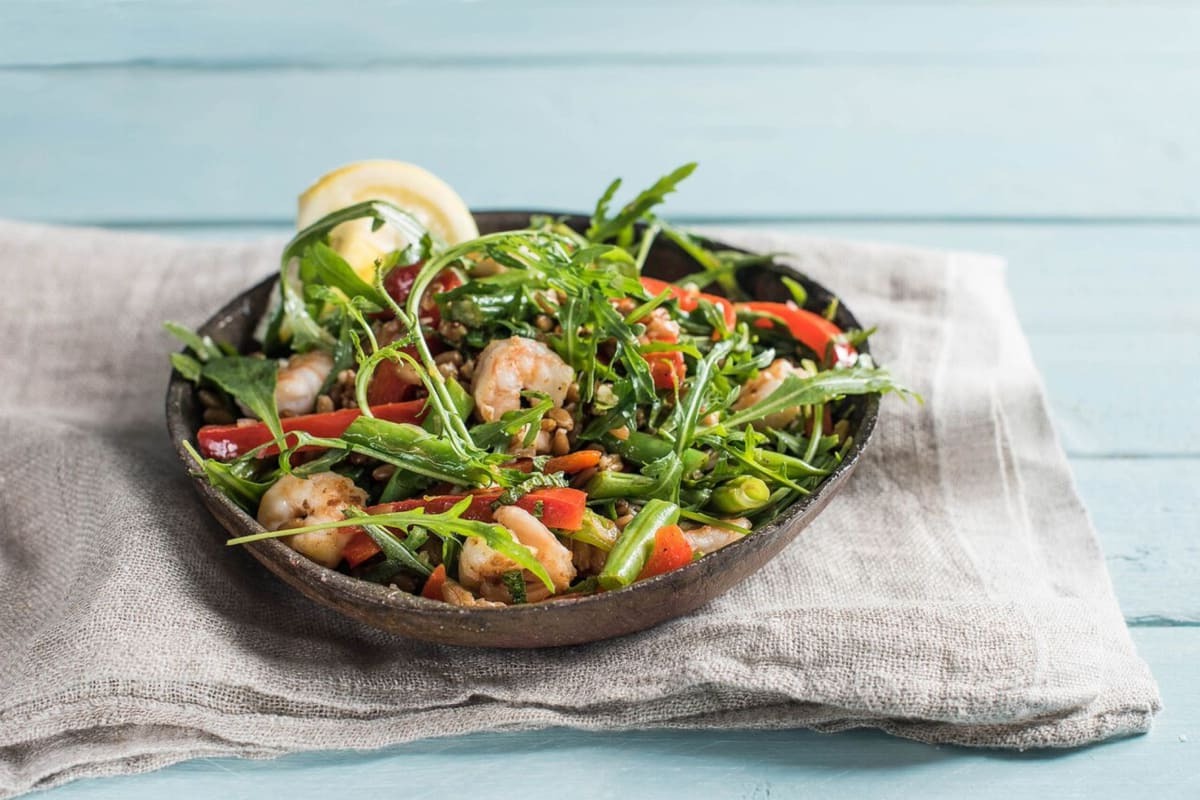
- Warm Shrimp Salad Recipe25 Minutes
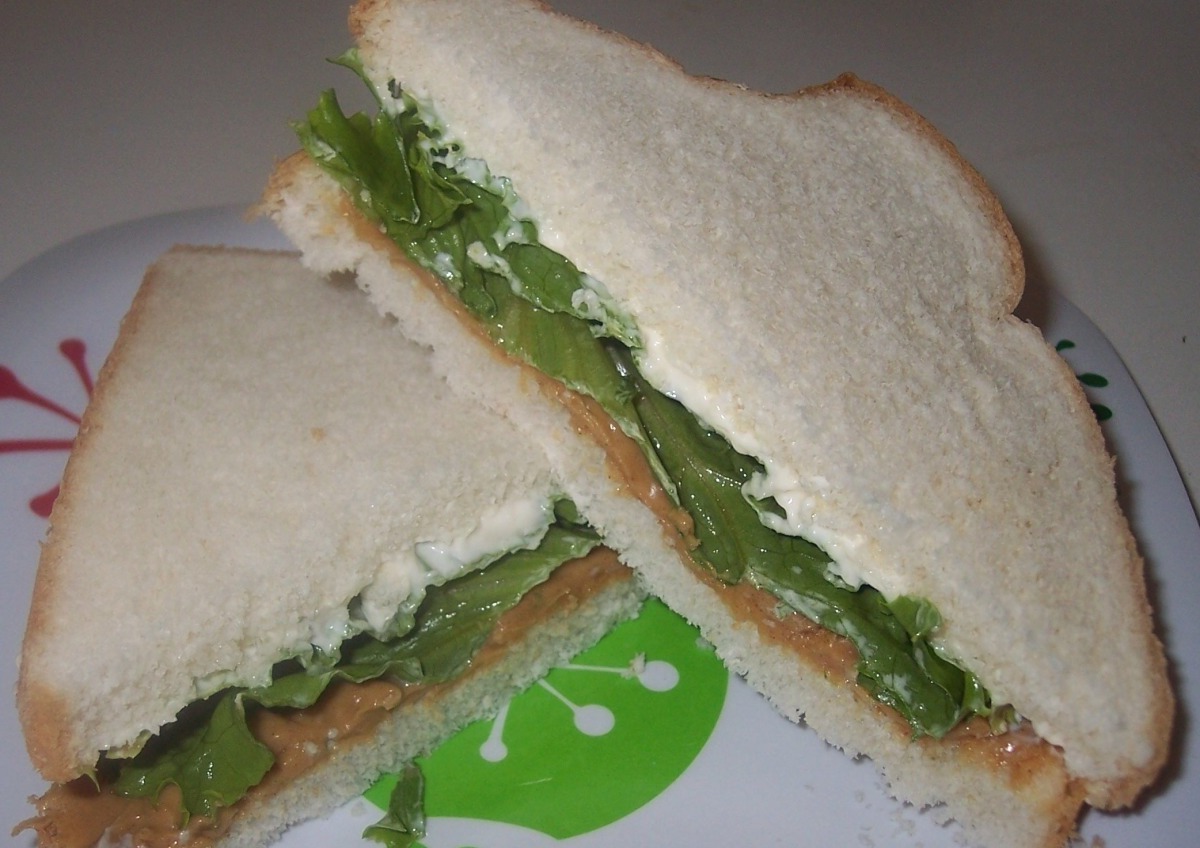
- Peanut Butter Mayonnaise Lettuce Sandwich Recipe5 Minutes
- Rhubarb Muffins Recipe40 Minutes
- Flapjack Pancakes Recipe25 Minutes
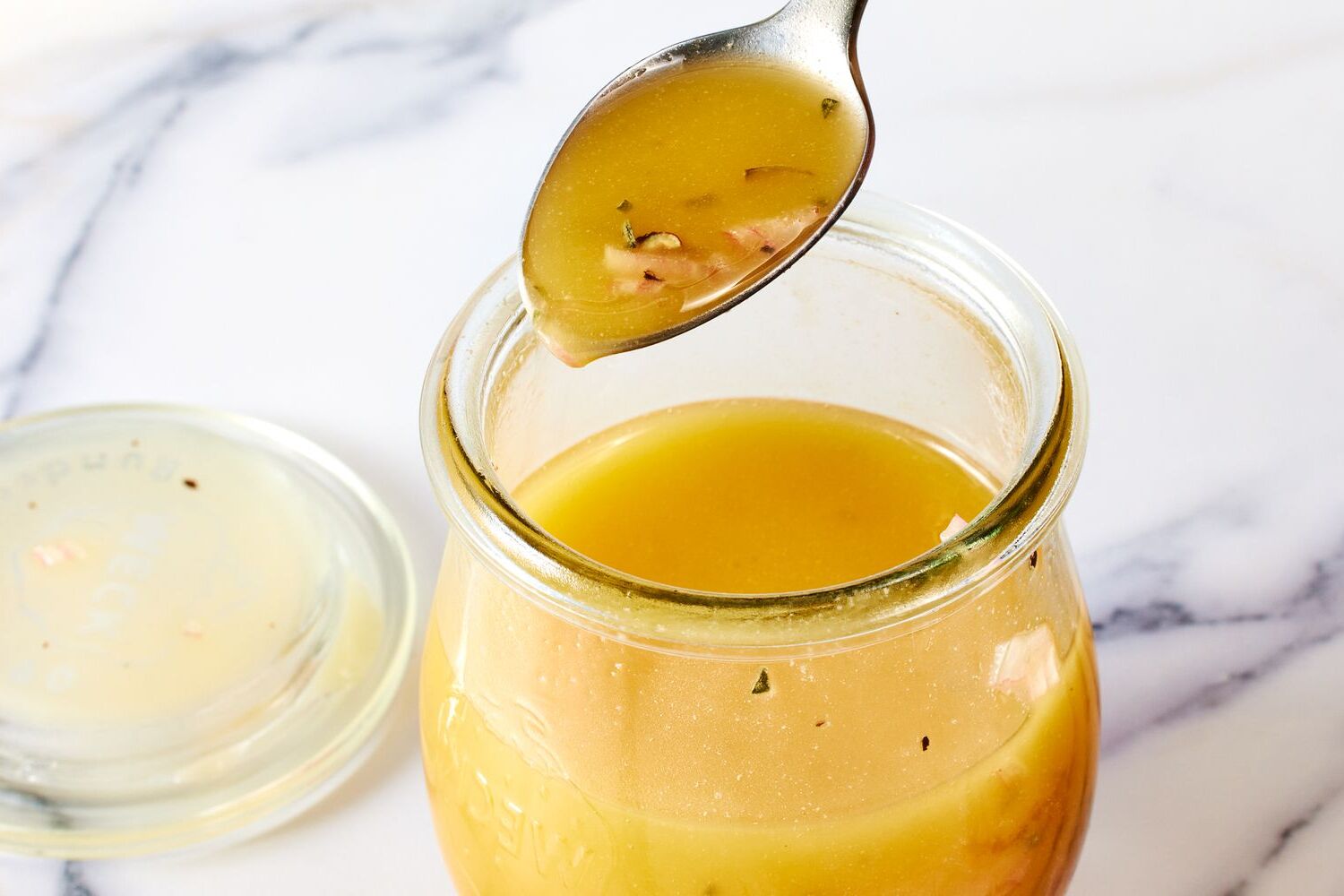
- Salad Dressing Recipe10 Minutes
- Pumpkin Pie Recipe1 Hours 15 Minutes
- Tomato Avocado Sandwich Recipe10 Minutes
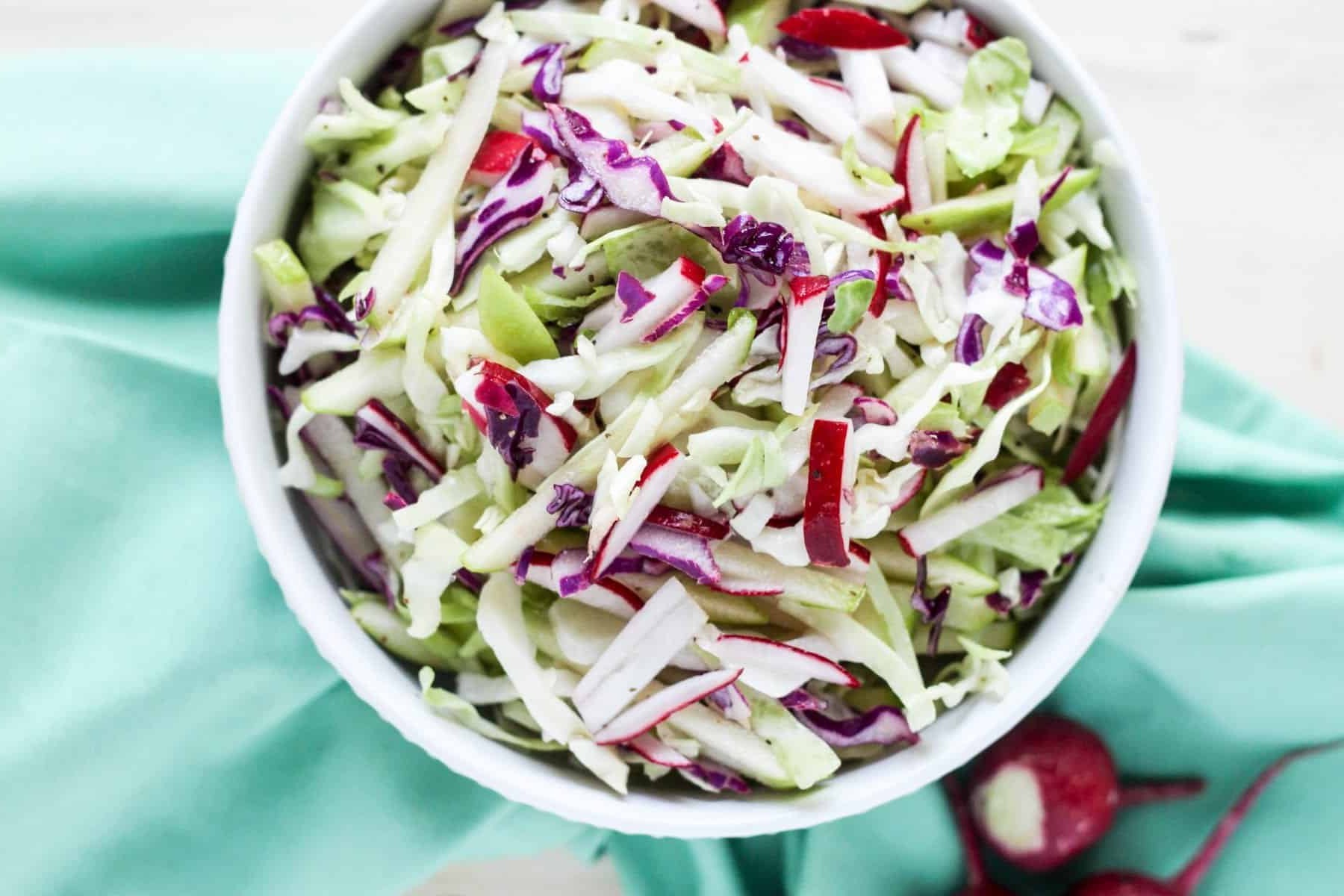
- Apple Cabbage Slaw Recipe15 Minutes




Leave a Reply