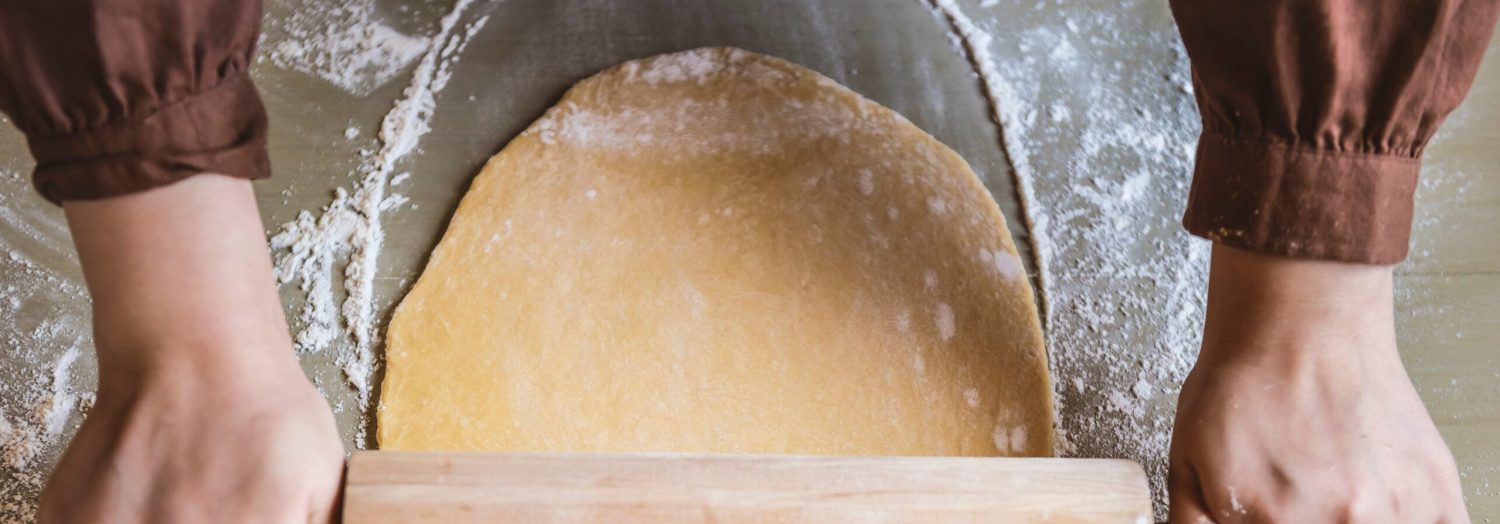
Experience the delicate and slightly sweet flavors of Japanese Tamago, a traditional Japanese rolled omelette. This dish is often enjoyed as part of a sushi meal or as a standalone snack. Its unique texture and taste make it a delightful addition to any meal.
Some ingredients in this recipe might not be staples in your pantry. Mirin is a sweet rice wine used in Japanese cooking, adding a subtle sweetness and depth of flavor. If you don't have it, you can find it in the Asian section of most supermarkets. Soy sauce is another essential, providing a savory umami taste. Make sure to use a good quality one for the best results.
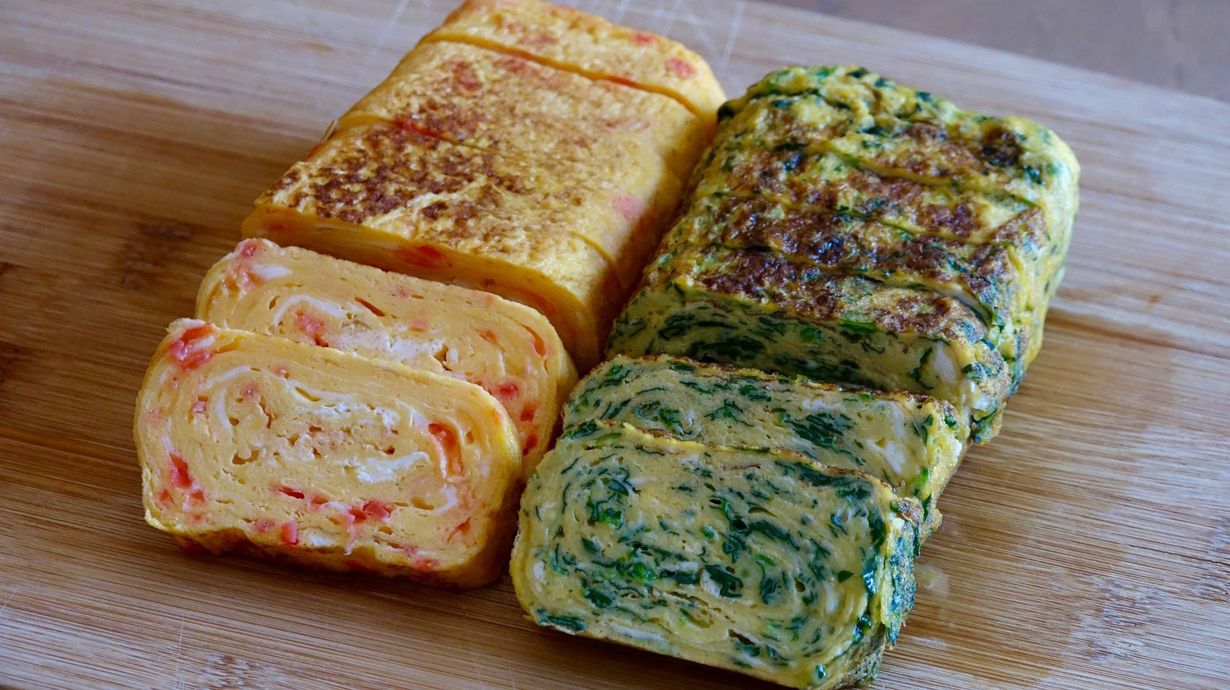
Ingredients For Japanese Tamago Egg Recipe
Eggs: The base of the dish, providing protein and structure.
Sugar: Adds sweetness to balance the savory elements.
Mirin: A sweet rice wine that enhances the flavor profile.
Soy sauce: Contributes a rich umami taste.
Salt: Enhances the overall flavor.
Vegetable oil: Used for cooking to prevent sticking and ensure even cooking.
Technique Tip for This Recipe
When making tamagoyaki, ensure that the egg mixture is beaten thoroughly to achieve a uniform texture. This helps in creating a smooth and consistent omelette. Additionally, when pouring each thin layer of egg mixture into the tamagoyaki pan, tilt the pan to spread the mixture evenly. This ensures that each layer cooks uniformly, making it easier to roll and resulting in a more aesthetically pleasing final product.
Suggested Side Dishes
Alternative Ingredients
eggs - Substitute with silken tofu: Silken tofu can mimic the texture of eggs when blended and provides a similar protein content.
sugar - Substitute with honey: Honey adds a natural sweetness and can be used in a slightly lesser quantity due to its higher sweetness level.
mirin - Substitute with dry sherry: Dry sherry offers a similar sweetness and depth of flavor, making it a good alternative to mirin.
soy sauce - Substitute with tamari: Tamari is a gluten-free alternative to soy sauce and has a similar umami flavor profile.
salt - Substitute with sea salt: Sea salt can be used in the same quantity and provides a similar salty taste.
vegetable oil - Substitute with canola oil: Canola oil has a neutral flavor and similar cooking properties, making it a suitable replacement for vegetable oil.
Other Alternative Recipes Similar to This Dish
How To Store / Freeze This Dish
Allow the tamago to cool completely before storing. This helps prevent condensation, which can make the egg soggy.
Wrap the tamago tightly in plastic wrap. This keeps it fresh and prevents it from absorbing other odors in the fridge.
Place the wrapped tamago in an airtight container. This provides an extra layer of protection and helps maintain its flavor.
Store the container in the refrigerator. The tamago will stay fresh for up to 3 days.
For longer storage, freeze the tamago. First, wrap it in plastic wrap, then in aluminum foil to prevent freezer burn.
Label the package with the date. This helps you keep track of how long it has been stored.
When ready to use, thaw the tamago in the refrigerator overnight. This ensures it thaws evenly and maintains its texture.
Reheat gently in a non-stick pan over low heat or in the microwave on a low setting. This prevents the egg from becoming rubbery.
Enjoy your tamago as a delicious addition to sushi, bento boxes, or as a standalone snack.
How To Reheat Leftovers
Microwave Method:
- Place the tamago slices on a microwave-safe plate.
- Cover with a damp paper towel to retain moisture.
- Heat on medium power for 20-30 seconds. Check and add more time if needed, in 10-second increments.
Stovetop Method:
- Heat a non-stick pan over low heat.
- Lightly oil the pan with vegetable oil.
- Place the tamago slices in the pan and cover with a lid.
- Heat for 1-2 minutes on each side, or until warmed through.
Oven Method:
- Preheat your oven to 300°F (150°C).
- Place the tamago slices on a baking sheet lined with parchment paper.
- Cover the slices with aluminum foil to prevent drying out.
- Heat for 5-7 minutes, checking occasionally to ensure they don't overcook.
Steaming Method:
- Set up a steamer or place a steaming rack in a pot with a small amount of water.
- Bring the water to a gentle simmer.
- Place the tamago slices on a heatproof plate and set it in the steamer.
- Cover and steam for 3-5 minutes, or until heated through.
Best Tools for This Recipe
Mixing bowl: A large bowl used to beat the eggs and mix in the sugar, mirin, soy sauce, and salt.
Whisk: A tool used to thoroughly beat the eggs and combine the other ingredients smoothly.
Tamagoyaki pan: A rectangular or square pan specifically designed for making tamagoyaki, allowing for easy rolling of the egg layers.
Spatula: A flat tool used to lift and roll the egg layers in the pan.
Measuring spoons: Used to measure out the sugar, mirin, soy sauce, and salt accurately.
Brush: Used to lightly oil the tamagoyaki pan before cooking each layer of egg.
Cutting board: A surface to place the rolled tamagoyaki on for slicing.
Knife: A sharp tool to slice the cooled tamagoyaki into pieces.
How to Save Time on This Recipe
Prepare ingredients in advance: Measure and mix sugar, mirin, soy sauce, and salt before starting to cook.
Use a non-stick pan: A non-stick tamagoyaki pan ensures the egg mixture cooks evenly and rolls easily.
Preheat the pan: Preheating the pan saves cooking time and ensures even cooking.
Consistent pouring: Use a small ladle to pour the egg mixture for uniform layers.
Keep the heat medium: Maintaining medium heat prevents burning and allows for better control.
Japanese Tamago Egg Recipe
Ingredients
Main Ingredients
- 4 eggs
- 2 tablespoon sugar
- 1 tablespoon mirin
- 1 tablespoon soy sauce
- 1 pinch salt
- 1 teaspoon vegetable oil for cooking
Instructions
- In a mixing bowl, beat the eggs thoroughly.
- Add sugar, mirin, soy sauce, and salt to the eggs. Mix well.
- Heat the tamagoyaki pan over medium heat and lightly oil it.
- Pour a thin layer of the egg mixture into the pan. Let it cook until half set, then roll it to one side of the pan.
- Oil the pan again, pour another thin layer of egg mixture, lift the rolled egg to let the uncooked egg flow underneath, and roll again. Repeat until all the egg mixture is used.
- Remove from the pan and let it cool slightly before slicing.
Nutritional Value
Keywords
More Amazing Recipes to Try 🙂
- Warm Shrimp Salad Recipe25 Minutes
- Peanut Butter Mayonnaise Lettuce Sandwich Recipe5 Minutes
- Rhubarb Muffins Recipe40 Minutes
- Flapjack Pancakes Recipe25 Minutes
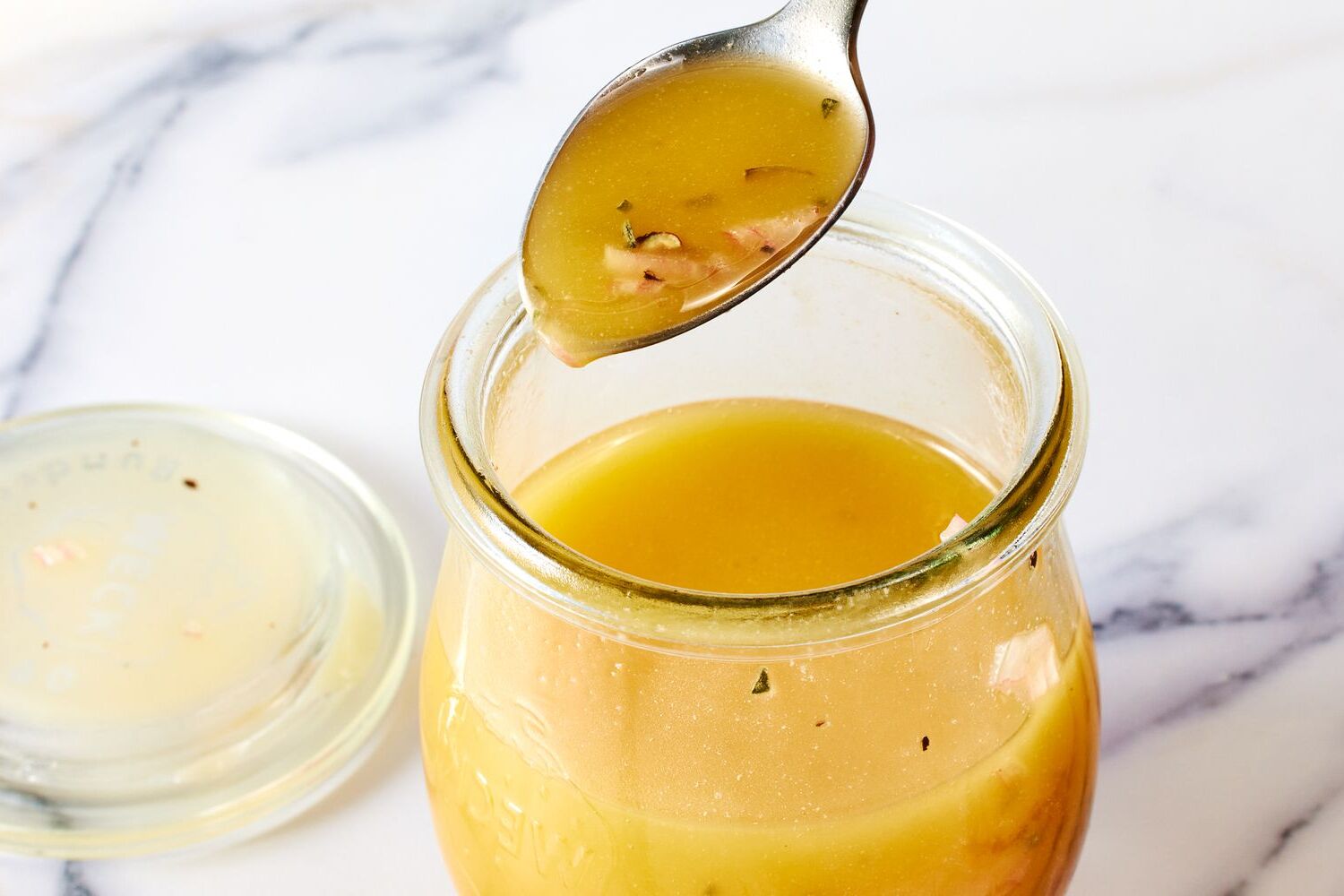
- Salad Dressing Recipe10 Minutes
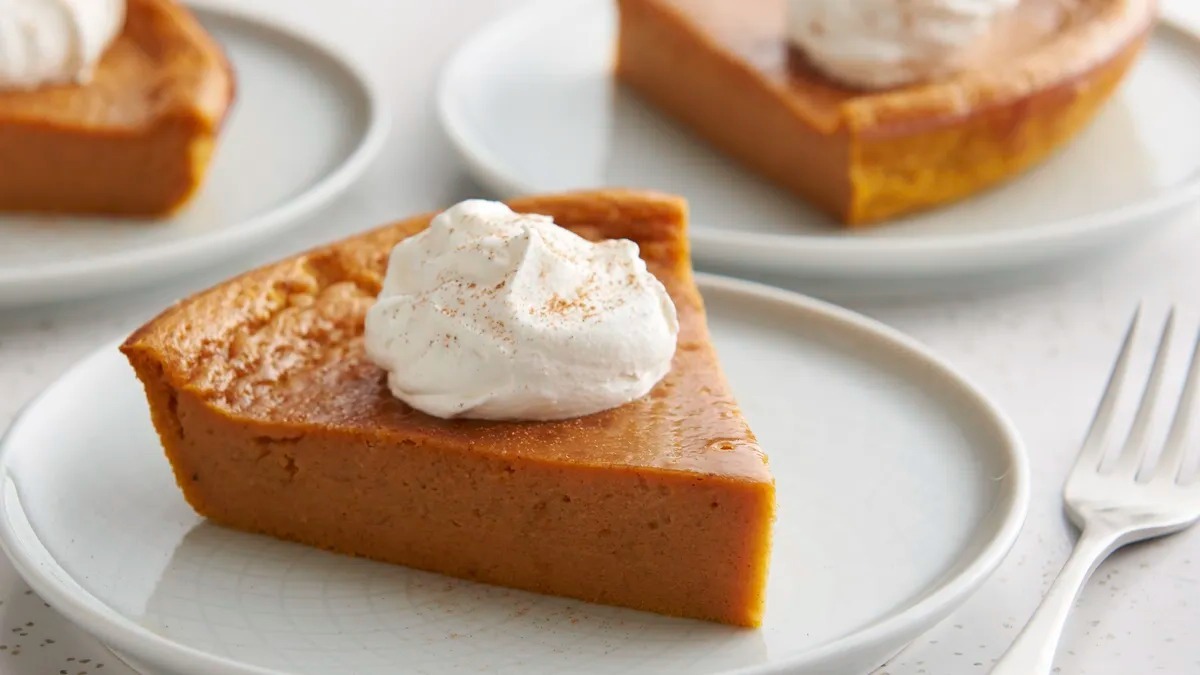
- Pumpkin Pie Recipe1 Hours 15 Minutes
- Tomato Avocado Sandwich Recipe10 Minutes
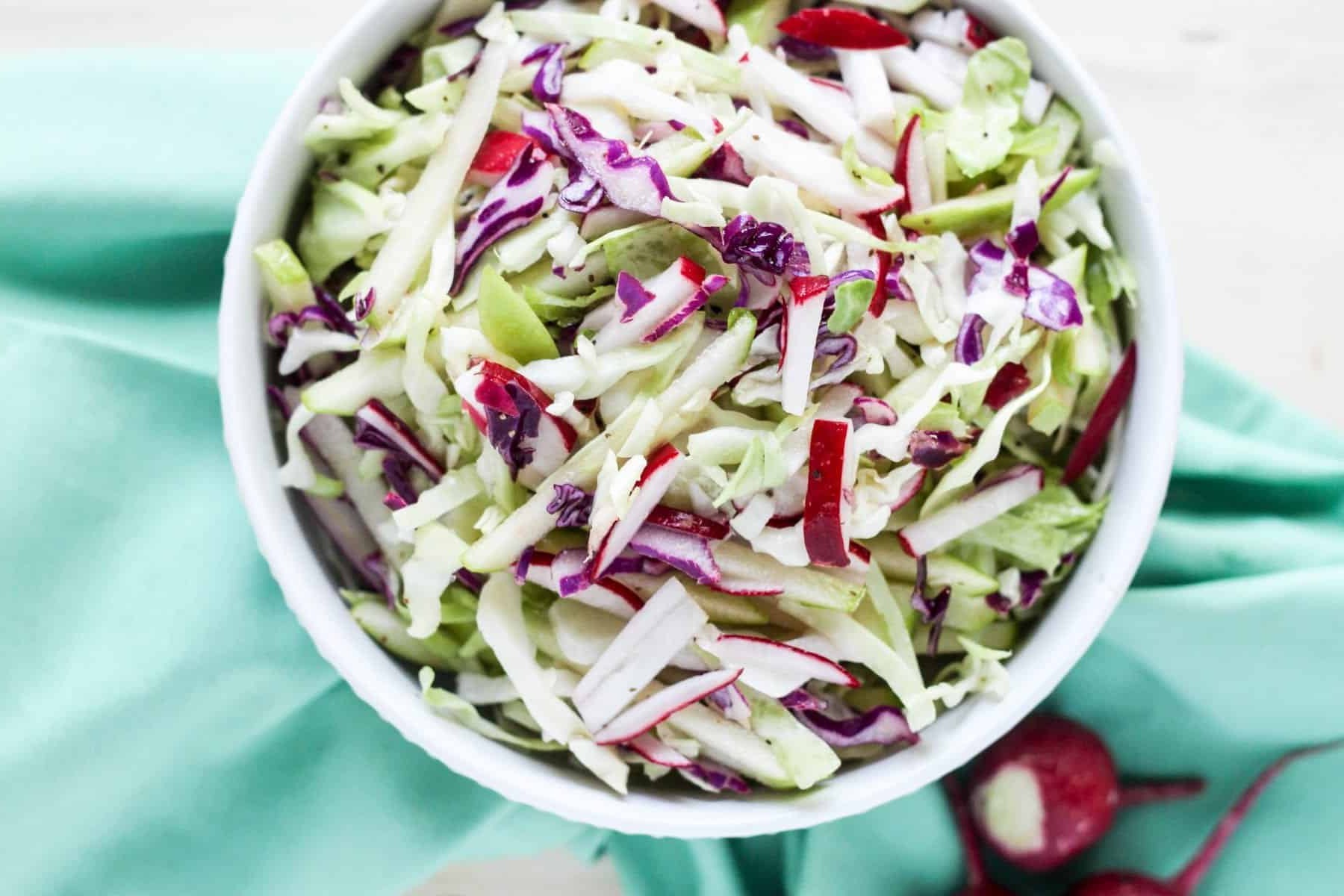
- Apple Cabbage Slaw Recipe15 Minutes






Leave a Reply